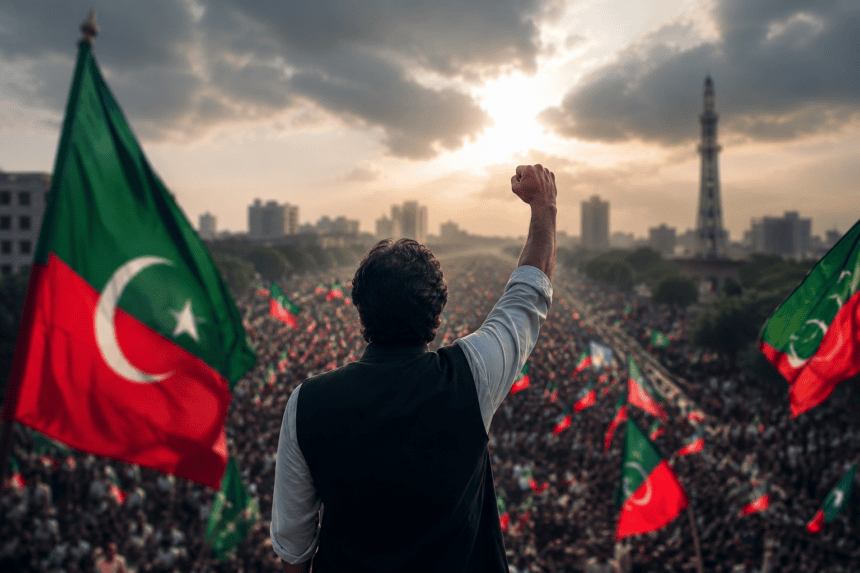
Pakistan Tehreek-e-Insaf (PTI) has officially called for nationwide rallies on August 5, marking one year since the arrest of former Prime Minister Imran Khan. The party aims to use the anniversary to mobilize its base and intensify pressure on the coalition government, signaling a return to street agitation after months of legislative deadlock.
The decision follows a series of internal meetings where party leaders debated the strategy for the coming weeks. For PTI, the rallies are more than a commemorative event; they are a direct challenge to the current administration’s narrative of stability. The party claims the past year has been defined by political repression and economic stagnation, pinning the responsibility squarely on the current leadership.
“This isn’t just about an anniversary,” a senior PTI official said, speaking on condition of anonymity. “It’s a referendum on the legitimacy of the current setup.”
The government remains wary of the planned demonstrations. Security agencies have already begun assessing the potential for civil unrest, particularly in major urban centers like Lahore, Islamabad, and Karachi. The administration has historically responded to such calls with Section 144 restrictions and mass detentions, raising the likelihood of clashes between police and party workers.
August 5 holds symbolic weight, as the party intends to link the domestic political crisis with the broader regional narrative regarding Kashmir, attempting to frame the current government as failing on both national and international fronts.
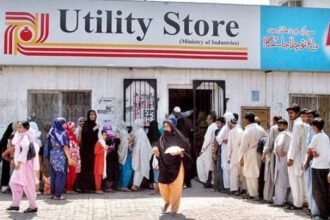
For the average citizen, the announcement brings the familiar anxiety of blocked roads and suspended mobile services. Markets in major cities are already bracing for potential shutdowns, reflecting the volatile nature of Pakistani street politics.
With the party’s leadership still largely sidelined or in hiding, the success of these rallies hinges on the grassroots network’s ability to bypass security cordons. Whether the August 5 protests spark a genuine political shift or end in a familiar cycle of arrests and silence, the move ensures that the political temperature in Pakistan will remain at a boiling point through the height of summer.