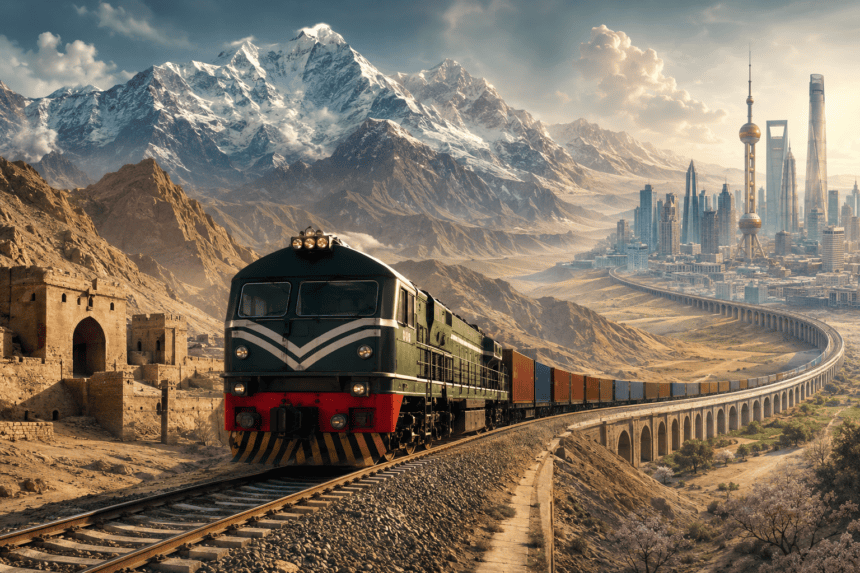
QUETTA — The vision is a high-speed rail link connecting the dusty plains of Balochistan to the industrial heart of western China. For years, the Main Line 1 (ML-1) project has been pitched as the backbone of the China-Pakistan Economic Corridor (CPEC). Yet, as the project nears its second decade of planning, the tracks remain largely theoretical.
The 1,726-kilometer upgrade—slated to connect Peshawar to Karachi, with critical infrastructure links intended to integrate Quetta into the wider transit grid—is stalled by a $6.7 billion price tag. Beijing, once eager to bankroll the entire venture, is now playing a cautious hand. Economic instability in Pakistan has forced a move toward a phased implementation, turning a grand vision into a series of smaller, disconnected construction sites.
The project isn’t just about moving cargo. For the people of Balochistan, it represents a promise of connectivity that hasn’t materialized. Quetta’s current rail infrastructure is a relic of the colonial era, prone to delays and frequent security-related suspensions. Upgrading these lines is supposed to slash travel times by half, but the reality on the ground is a stalled tender process and shifting diplomatic priorities.
“We keep hearing about the project starting next month, then next quarter, then next year,” says a senior logistics consultant based in Lahore. “The engineering plans are solid, but the financing structure is fragile. China wants guarantees, and Pakistan is struggling to provide them without further straining its debt-to-GDP ratio.”
Recent negotiations in Beijing suggest a pivot. The focus has shifted toward “de-risking” the investment. Instead of a massive, total overhaul, the current strategy favors upgrading the busiest segments first—specifically the Karachi-Hyderabad and Lahore-Rawalpindi stretches. Quetta’s integration remains a secondary phase, tethered to the completion of the wider, and currently underfunded, regional network.
The geopolitical stakes are high. China views the rail link as a strategic alternative to the Malacca Strait, providing a shorter route for energy imports. For Pakistan, it’s a desperate bid to modernize a crumbling transport sector. However, until the financing gap is bridged, the tracks will remain a map-based ambition rather than a physical reality.
For now, the commute from Quetta to the coast remains a grueling, slow-motion trek through rugged terrain. The trains may be running, but they aren’t moving toward the progress promised a decade ago. They are simply keeping pace with a project that has stalled at the station.