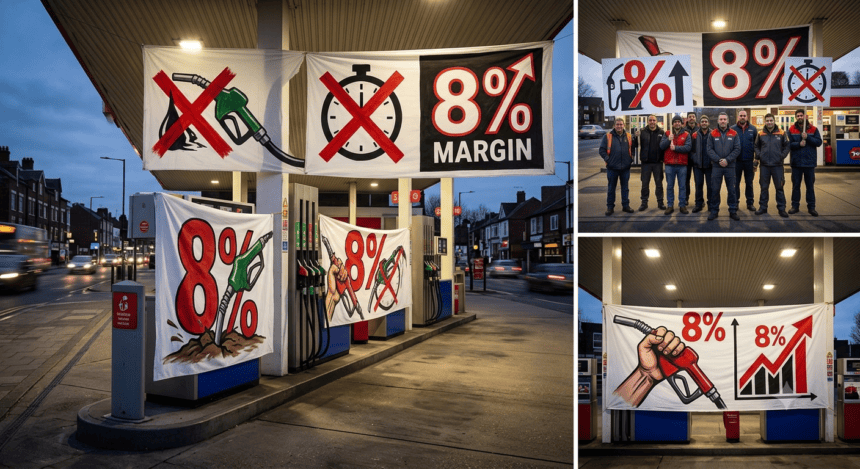
Pakistan’s fuel supply chain faces a potential gridlock as the Pakistan Petroleum Dealers Association (PPDA) officially rejected the Oil and Gas Regulatory Authority’s (OGRA) latest deadline. Dealers are hardening their stance, demanding an immediate increase in their profit margins to 8% to offset rising operational costs.
The standoff centers on the financial viability of thousands of petrol pumps across the country. Dealers argue that the current margin structure—set when operational expenses were a fraction of today’s costs—is pushing the business toward insolvency. Electricity bills, labor wages, and maintenance costs have surged, leaving owners with little to no profit after overheads.
OGRA, however, has maintained that the dealers’ demands are unrealistic given the current economic climate and the government’s efforts to stabilize fuel prices for the end consumer. The regulator recently issued a stern warning, setting a deadline for dealers to fall in line or face regulatory consequences.
The dealers aren’t backing down. PPDA representatives claim that if the government refuses to adjust the margin, they will be forced to take drastic measures, including potential nationwide strikes or fuel supply disruptions. “We aren’t asking for a favor, we’re asking for survival,” a regional association head said Tuesday. “The current math simply doesn’t work for anyone running a station today.”
For the average motorist, the dispute signals more than just a boardroom disagreement. If negotiations stall, the country could see localized fuel shortages as dealers limit stock levels to reduce financial exposure.
The government now faces a difficult choice: grant the margin increase and risk further inflationary pressure on fuel prices, or hold firm and risk a debilitating strike that could paralyze transport and logistics. With both sides entrenched, the standoff has shifted from a regulatory dispute to a critical test of the government’s grip on the energy sector.
As of Wednesday afternoon, no formal talks were scheduled to bridge the gap between the regulator’s mandate and the dealers’ ultimatum.