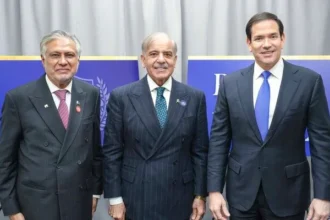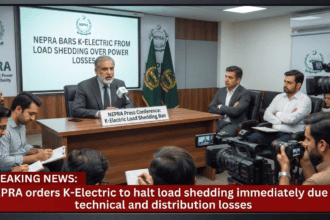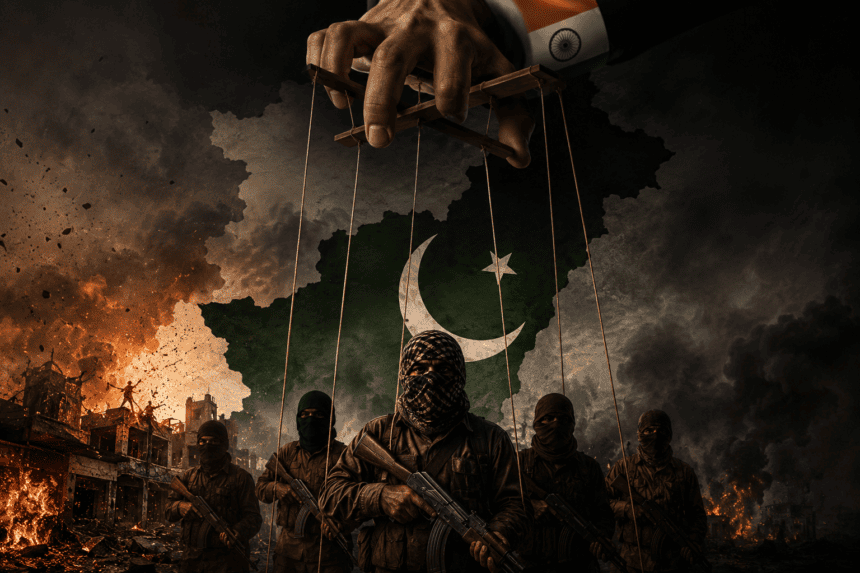
Prime Minister Shehbaz Sharif has leveled a direct accusation against India, claiming New Delhi is actively sponsoring terrorism within Pakistan’s borders. The statement, delivered during a high-level security meeting in Islamabad, marks a sharp escalation in the rhetoric between the two nuclear-armed neighbors.
Shehbaz pointed to recent intelligence reports as the basis for his claims, alleging that Indian state assets are providing financial and logistical support to militant groups operating in Balochistan and Khyber Pakhtunkhwa. He characterized these actions as a “deliberate attempt to destabilize the country” at a time when Pakistan is struggling to navigate a fragile economic recovery.
The Prime Minister’s comments come on the heels of a string of attacks targeting security personnel and infrastructure projects. While Pakistan has long accused India of interference, the timing of this specific charge suggests a shift in how Islamabad intends to handle regional security concerns on the global stage.
“We have the evidence,” Shehbaz told his cabinet, though he stopped short of releasing the intelligence dossiers to the public. He maintained that the proof would be shared with the United Nations and other international partners to force a broader conversation on regional proxy warfare.
New Delhi has historically dismissed such allegations as “baseless” and “propaganda,” often countering that Pakistan serves as a safe haven for groups designated as terrorists by the international community. This cycle of accusation and denial has defined the bilateral relationship for decades, stalling any meaningful progress on trade or diplomatic normalization.
The geopolitical cost of this friction remains high. As both nations trade accusations, the prospect of resuming stalled dialogue—or even maintaining a stable ceasefire along the Line of Control—appears increasingly remote.
Pakistan’s move to internationalize these claims suggests that the government is looking to pressure India through diplomatic channels rather than military escalation. Whether this results in a shift in international policy toward South Asia remains an open question, as global powers have shown little appetite for mediating another standoff between Islamabad and New Delhi.