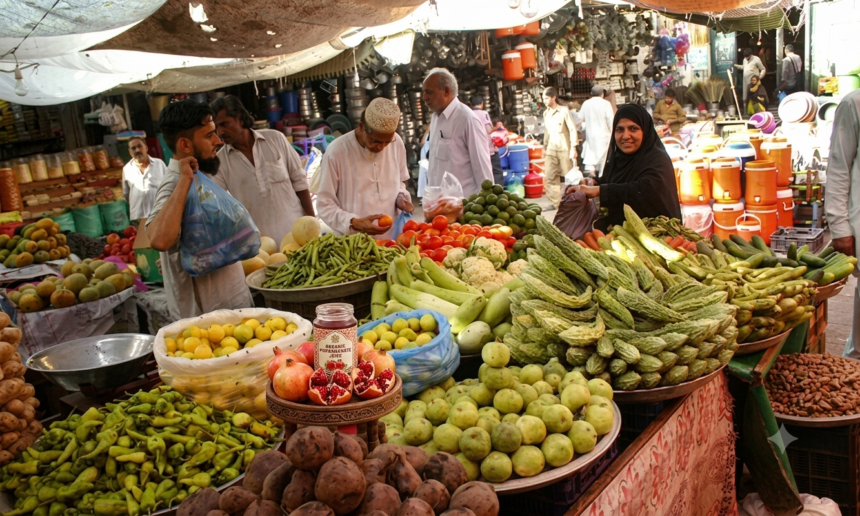
ISLAMABAD — Short-term inflation in Pakistan, measured via the Sensitive Price Index (SPI), registered a 9.66 per cent year-on-year increase for the week ending July 23, driven primarily by high costs of perishable food products and elevated utility tariffs. According to official weekly data released by the Pakistan Bureau of Statistics (PBS), the index also climbed by 0.91 per cent on a week-on-week basis. The accelerating momentum in short-term inflation was heavily influenced by a steady domestic increase in petroleum prices on a daily basis, which has systematically pushed logistics and transportation costs upward across the wider economy, marking the 67th consecutive weekly increase in the SPI.
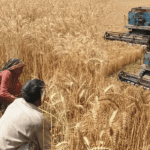
On an annual basis, the inflationary strain remained broad-based across energy and essential kitchen commodities. The PBS data revealed stark year-on-year surges, led by an extraordinary 253.04 per cent increase in tomato prices, an 81.55 per cent hike in onions, and a 74.13 per cent jump in wheat flour. Energy costs compounded the pressure, with liquefied petroleum gas (LPG) rising 46.87 per cent, diesel increasing 31.92 per cent, and first-quarter electricity charges ascending by 22.79 per cent. Conversely, certain commodities provided relief over the past year, with potatoes dropping 33.69 per cent, followed by significant price declines in pulse gram, sugar, and chicken, helping moderate the overall velocity of the index across the 51 essential items tracked globally.