The English countryside is undergoing a quiet, radical transformation. Farmers once tethered to tradition—potatoes, wheat, and hardy orchard fruits—are now harvesting crops that were, until recently, strictly Mediterranean imports.
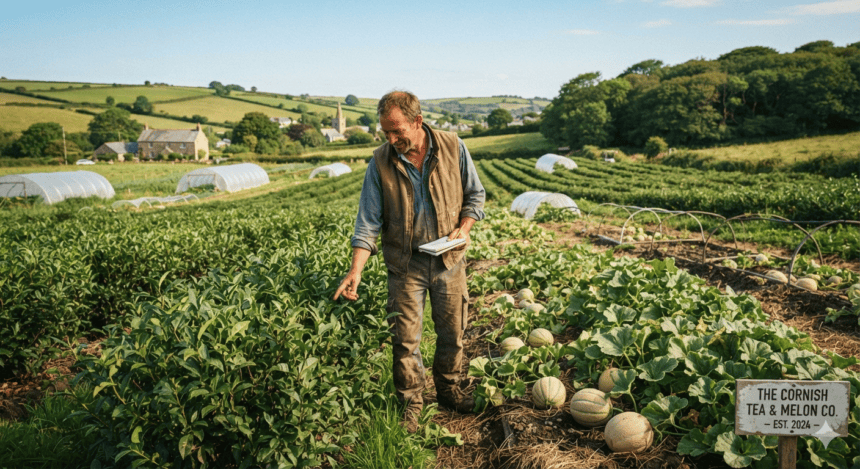
Across Cornwall and parts of the South Downs, tea leaves and cantaloupe melons are finding a home in what used to be considered inhospitable soil. It isn’t just a trend; it is a direct response to a shifting climate.
Average temperatures in the UK have climbed steadily over the last three decades. The frost-free growing season has extended by nearly a month in some regions, creating a thermal window that allows heat-loving plants to thrive. For a small but growing number of growers, the risk of diversifying is outweighed by the reality of the thermometer.
“We aren’t trying to change the landscape,” said one grower in Sussex, who moved from viticulture to specialized melon production last spring. “We’re just reacting to what the land is finally allowing us to do.”
The shift is most visible in the specialized tea sector. Cornwall’s Tregothnan Estate, which pioneered commercial tea production in the UK, has seen its yields stabilize as winters become milder. What was once dismissed as a horticultural curiosity is now a viable, high-value commodity.
Yet, this agricultural evolution brings its own volatility. Warmer winters also mean more pests, and the erratic rainfall patterns—long dry spells followed by sudden, heavy flooding—make these delicate crops a gamble. A heatwave that helps a cantaloupe ripen can just as easily scorch a field of tea leaves if the irrigation isn’t managed with surgical precision.
Agricultural experts note that this isn’t a permanent migration of climate zones. It is a temporary opportunity. While the current conditions favor these new crops, the underlying instability of the climate remains a threat to long-term planning. Farmers are essentially playing a game of catch-up with a landscape that is moving faster than their business models can adapt.
For now, the sight of cantaloupe ripening in a greenhouse near the English Channel serves as a stark marker of change. As the mercury continues to edge upward, the definition of an “English harvest” is being rewritten, one crop at a time.