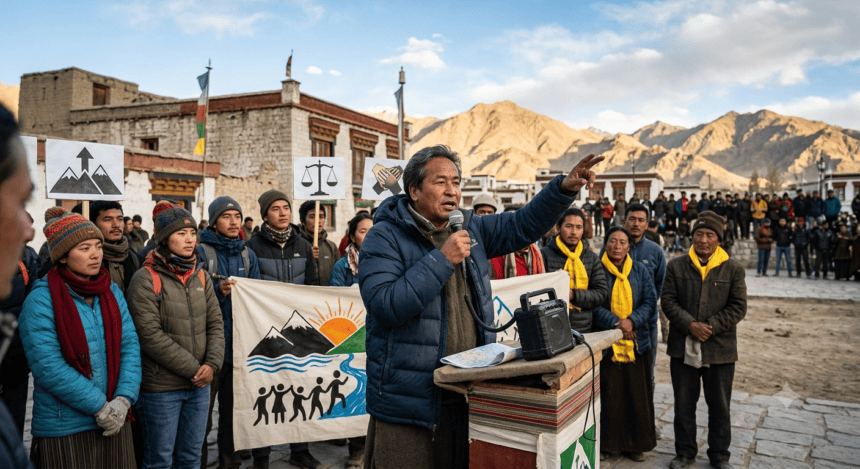
Sonam Wangchuk is recalibrating his protest strategy following the resignation of Union Education Minister Dharmendra Pradhan from his role as the interlocutor for Ladakh. The climate activist, who led a high-profile march from Leh to Delhi earlier this year, confirmed that the movement is entering a new, more aggressive phase to press for Sixth Schedule status.
Pradhan’s departure leaves a vacuum in the dialogue process between the central government and the Leh Apex Body (LAB) and the Kargil Democratic Alliance (KDA). For Wangchuk, the timing is critical. He argues that the government’s failure to engage meaningfully since the protest concluded suggests a lack of political will to grant Ladakh’s demands for statehood and constitutional protections.
The movement isn’t waiting for a new mediator. Wangchuk announced plans to mobilize support across the country, aiming to turn Ladakh’s local struggle into a national conversation about environmental preservation and democratic decentralization. He views the current impasse not as a setback, but as a reason to escalate.
“We have been patient,” Wangchuk told supporters in a recent briefing. “But patience without a roadmap from the government is just silence. We aren’t going to be silent anymore.”
The core of the dispute remains the Sixth Schedule of the Constitution, which would allow Ladakh to establish autonomous district councils with legislative and judicial powers. The government has remained non-committal, citing the region’s unique strategic location and current administrative structure as hurdles to such a move.
Critics of the movement point to the potential for regional instability, while supporters argue that without these protections, the fragile Himalayan ecosystem remains vulnerable to unchecked industrial exploitation.
The resignation of Pradhan, who was tasked with navigating these complexities, effectively resets the clock. For the protestors, the focus is now on forcing the Ministry of Home Affairs to appoint a successor with a clear mandate—or face a renewed wave of civil disobedience that could disrupt the region’s fragile status quo.
With winter closing in, the window for large-scale outdoor protests in Leh is narrowing. Wangchuk is betting that a shift in tactics—moving the pressure from the streets of the capital to a sustained, decentralized national campaign—will force the government’s hand before the next session of Parliament.