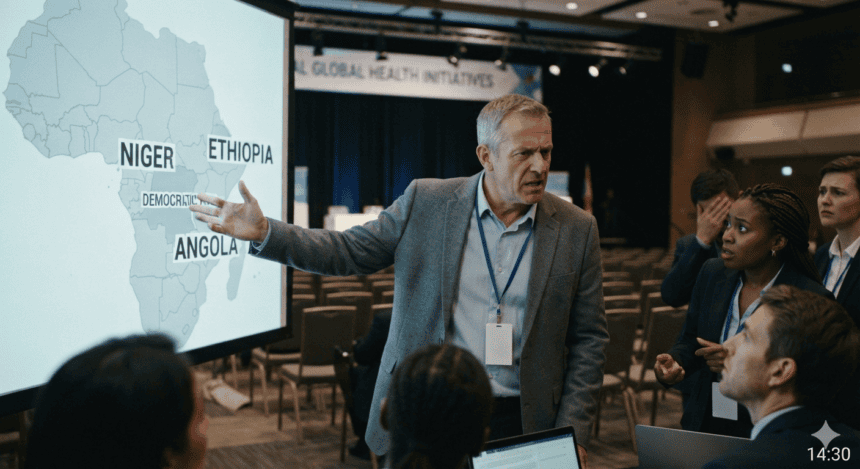
The U.S. State Department faced immediate backlash Tuesday after distributing maps at a high-profile AIDS conference that misidentified several African nations. The blunder—spotted by attendees during the opening sessions—turned a forum meant to highlight global health progress into a flashpoint for accusations of diplomatic negligence.
The error centered on a series of informational pamphlets handed out to delegates. Multiple countries were either incorrectly labeled or misplaced entirely, triggering audible frustration among representatives from the affected regions. For a department that prides itself on precision and extensive international outreach, the mistake struck a nerve with many who view such oversights as reflective of a broader lack of attention toward the continent.
“It’s not just a printer error; it’s a symptom of how we are seen,” one delegate from West Africa remarked, speaking on condition of anonymity. “You come to an event to discuss saving lives, and you can’t even get the geography of the people you’re trying to help right.”
State Department officials scrambled to collect the materials shortly after the issue gained traction on social media. By midday, the booths had been cleared of the faulty pamphlets, but the optics had already soured the atmosphere.
While the department issued a brief statement acknowledging a “technical error in the production of materials,” the explanation did little to calm the room. Critics argue that the mistake undermines the credibility of U.S. health initiatives, which rely heavily on building trust with local governments and grassroots organizations.
This isn’t the first time official U.S. communications have stumbled regarding African geography, but the timing is particularly poor. The conference, which brings together world leaders, scientists, and activists, is designed to secure funding and policy commitments for the ongoing HIV/AIDS crisis.
For many in attendance, the map incident served as a blunt reminder of the gap between high-level policy rhetoric and on-the-ground execution. As the conference continues, the focus has shifted from the intended health metrics to the diplomatic fallout, leaving organizers to spend more time performing damage control than discussing the epidemic.