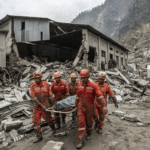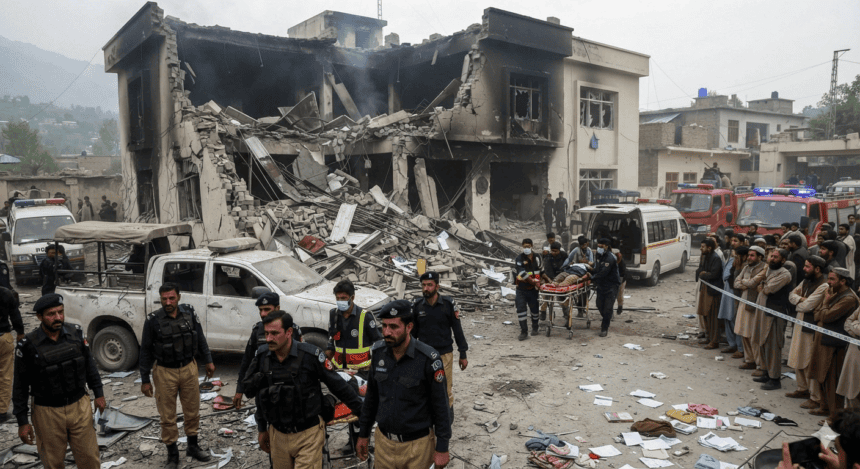
KABAL, SWAT — The death toll from the suicide bombing at the Counter-Terrorism Department (CTD) station in Kabal has climbed to 14, as rescuers pull more bodies from the rubble. The explosion, which ripped through the facility late Monday evening, left dozens of others wounded.
The blast occurred shortly after sunset. Two suicide bombers struck the compound, triggering a massive collapse of the station’s main building. The structural failure, rather than the initial blast force, is responsible for the high number of casualties among the police personnel stationed inside.
Police officials confirmed that the victims include at least nine officers. The remaining casualties are civilians who were present near the station at the time of the attack.
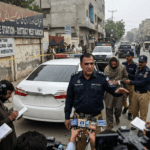
“We are still clearing the debris,” a senior police officer told reporters at the site. “The roof of the main hall collapsed entirely, and we are working against time to see if anyone is trapped underneath.”
Hospitals in the region remain on high alert. The Saidu Sharif Teaching Hospital has declared a medical emergency, with doctors struggling to manage the influx of patients arriving with blast-related injuries and crush wounds.
No group has claimed responsibility for the attack yet. However, the region has seen a resurgence in militant activity over the last year. Security analysts point to a breakdown in ceasefire agreements as a primary driver for the current instability in the Khyber Pakhtunkhwa province.
For the residents of Swat, this hit too close to home. The valley, once the epicenter of a decade-long conflict, has spent years trying to shed its image as a militant stronghold. This attack marks a grim regression in the local security environment.
As authorities cordon off the area and continue the search for survivors, the focus shifts to how two bombers breached a secure CTD facility. Questions regarding intelligence failures are already circulating among local officials, though the government has yet to release a formal investigation report.
For now, the priority remains the recovery mission. Families continue to gather outside the hospital, waiting for news that, for many, may never be good.