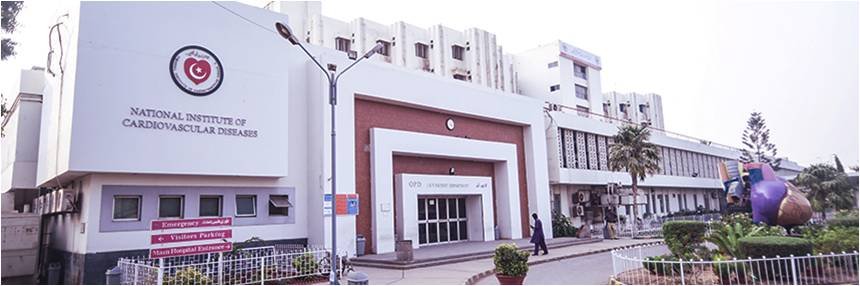
KARACHI: The National Institute of Cardiovascular Diseases (NICVD) in Karachi has achieved a major milestone by successfully performing 500 life-saving procedures for children suffering from potentially serious heart rhythm disorders.
According to NICVD, the specialised pediatric electrophysiology programme has provided treatment worth nearly Rs1 billion completely free of charge. The programme has helped children with complex cardiac arrhythmias, including dangerously fast or slow heart rhythms and inherited conditions that can increase the risk of sudden cardiac arrest.
Head of the Pediatric Electrophysiology Programme, Dr Muhammad Mohsin, said many heart rhythm disorders in children are complex but treatable. The programme mainly treats children who require pacemakers because of abnormally slow heart rhythms, patients with rapid heart rhythms, and young people with inherited conditions that put them at risk of sudden cardiac arrest.
Children with rapid heart rhythms can undergo electrophysiology studies and catheter ablation, a minimally invasive procedure that identifies and eliminates abnormal electrical pathways in the heart without requiring open-heart surgery. Advanced three-dimensional mapping technology is used to guide the procedure.
Dr Mohsin said the cost of treating an individual patient can range from Rs1 million to Rs1.5 million, but all procedures under the programme have been provided free of charge.
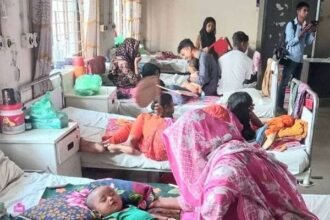
The programme has also expanded awareness of pediatric cardiac rhythm disorders in Pakistan. NICVD currently receives around 30 to 35 patients daily in its outpatient department, while approximately 200 families remain under long-term follow-up.
Doctors have urged parents to pay attention to warning signs such as recurrent fainting, poor physical growth, chest discomfort, unusual breathlessness and symptoms that persist despite medication, as some rhythm disorders can increase the risk of sudden cardiac arrest.