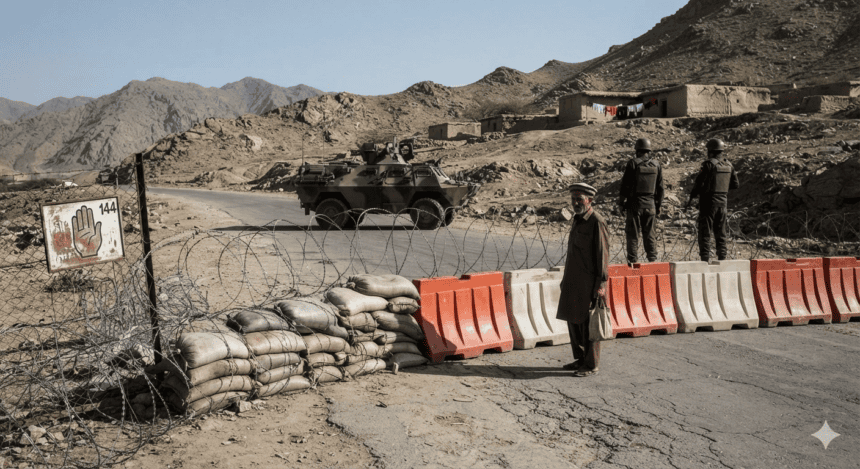
TANK/SOUTH WAZIRISTAN — The district administrations in South Waziristan and Tank imposed Section 144 on Monday, citing security concerns and the need to maintain public order. The order prohibits public gatherings, the display of weapons, and the movement of unauthorized groups in sensitive areas.
The directives come as regional security remains fragile. Officials confirmed that the restrictions are a precautionary measure intended to prevent potential unrest during a period of heightened activity. While authorities did not specify a single trigger for the move, the decision follows a series of local security assessments conducted over the weekend.
For residents, the impact was immediate. Checkpoints saw increased scrutiny, and police presence intensified across major intersections in Tank and the administrative centers of South Waziristan. The ban on public assemblies effectively halts planned demonstrations and political gatherings that had been rumored for the coming days.
Local traders and transporters expressed frustration with the sudden clampdown. Business activity in Tank’s main bazaar slowed significantly by midday as news of the order spread. “We’ve seen this before, but it doesn’t make the disruption any easier,” said a local merchant who requested anonymity due to the sensitive nature of the security situation. “When the roads are restricted, the supply chain breaks.”
The deputy commissioner’s office in Tank emphasized that the order is temporary. However, no specific date for lifting the restrictions was provided. The administration maintains that the measures are necessary to “ensure the safety of citizens” and mitigate the risk of sabotage or violence.
Security analysts view the move as a standard, albeit disruptive, tool used by the state to regain control in volatile districts. By invoking Section 144, the government grants itself broad powers to detain individuals found in violation of the assembly ban, a tactic frequently employed when intelligence reports suggest a threat to government installations or public thoroughfares.
With the order now in effect, the administration expects compliance from all quarters. Security forces have been instructed to monitor compliance strictly, and any breach of the order will be met with legal action under the relevant provisions of the law.
Whether these restrictions will quell the underlying tensions or merely suppress them temporarily remains the primary question for those living in the region. For now, the districts remain under a heightened state of alert, with authorities showing little appetite for easing the pressure.