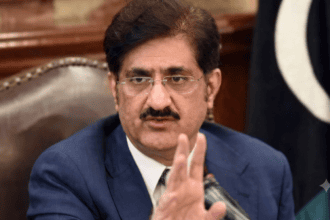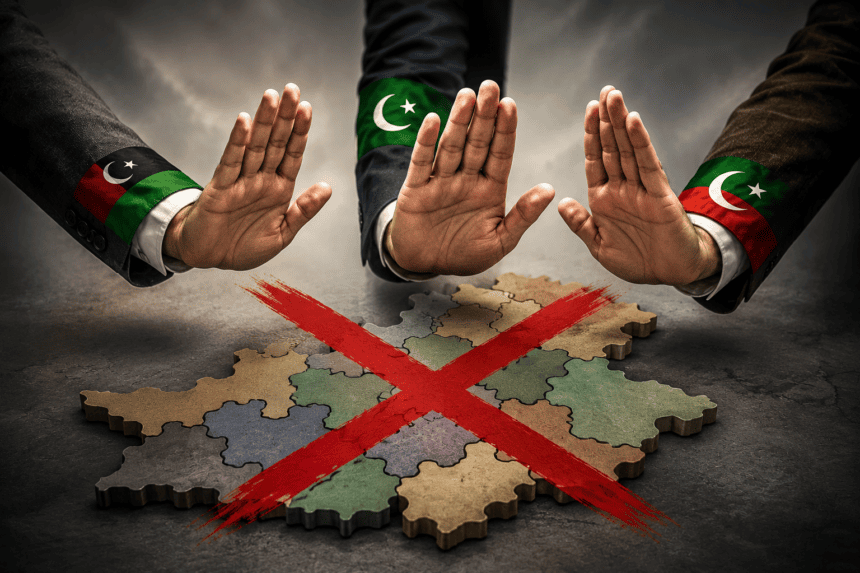
ISLAMABAD — The debate over the creation of new administrative units in Pakistan has hit another wall. Ijaz-ul-Haq, head of the Pakistan Muslim League-Z (PML-Z), claims the country’s three major power brokers—the PPP, PML-N, and PTI—are quietly aligned against carving out new provinces.
The former federal minister argues that while these parties often trade barbs on national television, they share a singular priority: maintaining the current political status quo. For them, new provinces represent a threat to their established territorial influence.
“Don’t be fooled by the rhetoric,” Ijaz-ul-Haq told local media. “When it comes to the actual division of power, these parties act as one.”
The push for new provinces, particularly in South Punjab and parts of Sindh, has been a political football for decades. Proponents argue that smaller administrative units improve governance and ensure resources reach neglected regions. Critics—often the very parties in power—frequently cite constitutional hurdles or the risk of ethnic fragmentation to stall the process.
For the PML-N and PPP, the prospect of losing control over the sprawling electoral maps of Punjab and Sindh is a non-starter. PTI, despite its past populist promises to create a South Punjab province, has struggled to move beyond rhetoric when it actually held the reins of government. The party’s constitutional amendments were sidelined, and the promise remains largely unfulfilled.
Ijaz-ul-Haq’s assessment highlights a recurring frustration among voters who feel their regional grievances are ignored by Islamabad’s centralized power structure. By dismissing the possibility of change, he suggests that voters should not expect any meaningful legislative movement on the issue during the current parliamentary term.
As the political establishment remains deadlocked, the demand for administrative reform continues to simmer at the grassroots level. Whether this pressure will ever force the major parties to break their internal consensus remains the central, unanswered question for Pakistan’s fractured political landscape.