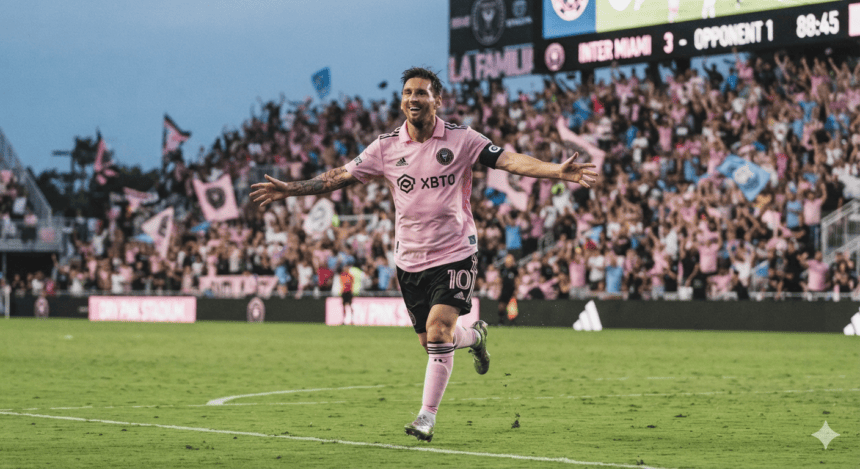
Lionel Messi arrived at the Copa América final with the weight of a nation’s expectations, as he has for nearly two decades. When he limped off the pitch in the 66th minute, his ankle heavily swollen and tears streaming down his face, the stadium went quiet. For a moment, it felt like the end of an era.
Argentina eventually secured the title with a 1-0 victory over Colombia, but the night belonged to the image of their captain sobbing on the bench. It wasn’t the heroic, goal-scoring finale the scriptwriters wanted, yet it proved a point that has defined Messi’s later years: his legacy no longer relies on individual heroics.
The team has evolved into something more resilient than the collective built around a single superstar. Under Lionel Scaloni, the squad has developed a tactical identity that survives—and occasionally thrives—without Messi on the field. They defended with grit, squeezed the midfield, and capitalized on a clinical finish from Lautaro Martínez in extra time.
“Leo is the greatest player in history,” Scaloni told reporters after the trophy presentation. “But this group knows how to suffer. They don’t panic when the leader is down.”
That capacity to suffer is the defining characteristic of this current Albiceleste setup. In the past, Argentina’s reliance on Messi was a crutch; when he was stifled, the team crumbled. Now, the team acts as a buffer. They absorbed the shock of his injury, regrouped, and ground out a result that mirrored their 2022 World Cup success.
Messi’s contribution to this legacy is subtle. He has traded the frantic, solo-driven play of his youth for the role of a conductor. He dictates the tempo, draws defenders out of position, and offers the tactical intelligence that makes the team’s press effective. He doesn’t need to be the one finishing every move to be the most influential figure on the pitch.
There is a growing acceptance that his time at the very top is nearing its conclusion. The ankle injury, the reduced pace, and the inevitable reality of age have sparked whispers about his retirement. Yet, this tournament proved that his influence has successfully transitioned from the feet to the system.
He didn’t score the winner. He didn’t finish the match. But as he lifted the trophy, it was clear that he had achieved something more permanent than a fairytale ending. He built a machine that works even when he isn’t the one driving it.