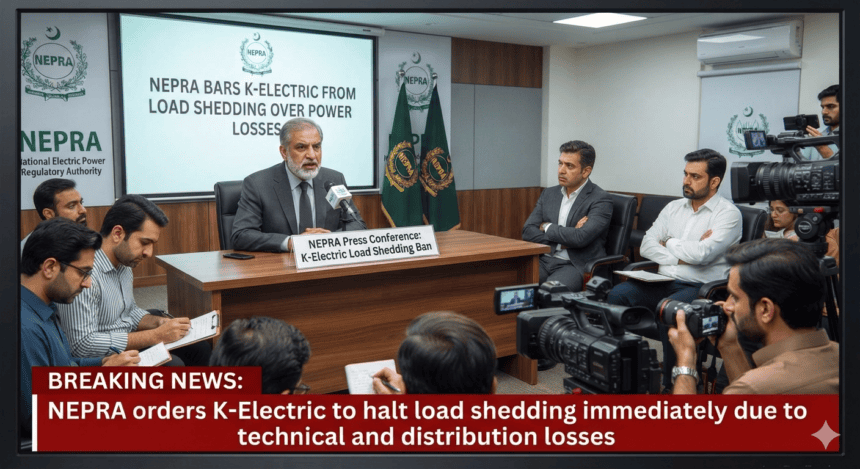
The National Electric Power Regulatory Authority (NEPRA) has issued a stern directive to K-Electric: stop punishing paying consumers for the utility’s own inability to curb electricity theft and system inefficiencies.
The regulator’s latest order effectively bans the power provider from imposing load shedding in areas where recovery rates are high. NEPRA’s move follows a flood of complaints from Karachi residents who have faced hours of power cuts despite clearing their monthly bills.
For years, K-Electric has utilized a “grouping” system to manage power distribution. Under this model, areas with high rates of line losses—often tied to meter tampering or illegal hookups—faced collective outages. NEPRA’s new stance dismantles this policy, categorizing it as an unfair burden on honest, tax-paying citizens.
“The utility company cannot shift the financial cost of its own operational failures onto the consumer,” a source familiar with the regulatory proceedings said.
The authority’s decision hinges on a fundamental shift in accountability. NEPRA argues that K-Electric is legally obligated to invest in infrastructure and surveillance to identify specific points of theft. Instead, the company has consistently resorted to blanket power cuts to balance its books.
The directive mandates that K-Electric must now isolate and target only those specific connections or feeders where theft is confirmed. The company is no longer permitted to cut power to entire neighborhoods that maintain a 90% or higher recovery rate.
This isn’t the first time the regulator has locked horns with the utility provider. Karachi’s power sector has been a battleground of technical disputes, tariff hikes, and public outcry for over a decade. However, this specific order places the company in a precarious position.
If K-Electric fails to comply, the regulator has signaled it will initiate punitive measures. For the millions living in Karachi, the order offers a rare glimmer of relief—provided the utility actually upgrades its aging grid to track individual defaulters rather than toggling the switch on entire streets.
Whether K-Electric can overhaul its operational model in time to meet these requirements remains the primary concern. For now, the regulator has made its position clear: the lights must stay on for those who pay for them.