Dengue cases in Khyber-Pakhtunkhwa have continued to rise, with 478 confirmed infections reported across the province so far this year, according to the latest report issued by the Health Department. Government hospitals have also recorded 2,697 suspected dengue cases.
The report of the Integrated Disease Surveillance and Response System (IDSR) revealed that 620 new suspected cases were detected across K-P during the past week. Of these, 83 cases were confirmed to have dengue virus infection, indicating a notable increase in transmission during the recent period.
Despite the rise in infections, the Health Department reported that no dengue-related deaths have been recorded in K-P so far this year. Health teams are continuing surveillance and vector-control activities to prevent the disease from spreading further.
Peshawar remains the worst-affected district, with 177 confirmed cases, followed by Kohat with 151 cases. Bannu has reported 31 cases, while Haripur and Swat have recorded 21 and 10 cases, respectively. Dera Ismail Khan, Bajaur and Nowshera have each reported eight confirmed infections.
Other affected districts include Khyber, Lakki Marwat, Lower Dir and North Waziristan, with two cases each, while Orakzai reported one confirmed case. The distribution indicates that dengue transmission is being detected across multiple parts of the province rather than remaining confined to a single area.
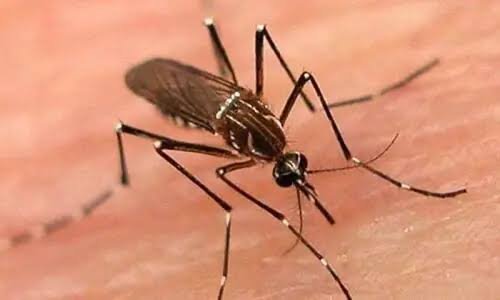
As part of prevention efforts, health authorities have inspected more than 246,000 houses across K-P for mosquito larvae. Dengue larvae were detected at 600 locations, which subsequently tested positive. Officials also inspected more than 22,000 outdoor sites, identifying 304 locations with evidence of mosquito breeding.
Technical measures to eliminate dengue larvae have been carried out in 12 districts as part of the province’s ongoing vector-control programme. Authorities are focusing on identifying and eliminating mosquito breeding sites to reduce the risk of further transmission.
However, the Health Department has identified incomplete reporting from major Medical Teaching Institution (MTI) hospitals as a continuing challenge. Officials warned that the absence of complete data from these facilities could affect the overall assessment of the dengue situation in the province.