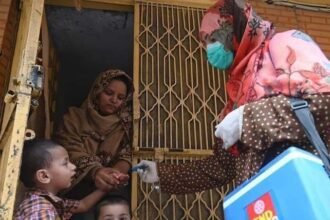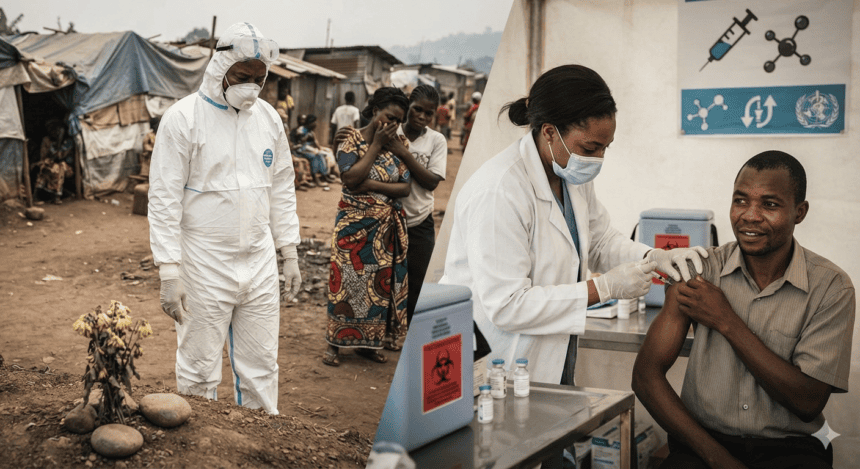
GOMA, DR Congo — The Ebola outbreak in the Democratic Republic of Congo has crossed a grim threshold, with health officials confirming the death toll has surged past 1,700. As the virus continues to outpace containment efforts in the volatile North Kivu and Ituri provinces, the World Health Organization is scrambling to accelerate vaccine trials to blunt the spread.
The numbers are stark. Since the current outbreak was declared in August 2018, nearly 2,500 cases have been recorded. It now ranks as the second-deadliest Ebola epidemic in history, trailing only the 2014-2016 West African crisis that claimed over 11,000 lives.
Health workers on the ground face a dual challenge: the biology of a highly infectious virus and the reality of a war zone. Armed militias frequently target medical clinics, forcing aid agencies to pause operations and leaving vulnerable populations without access to screening or treatment.
“We are fighting a fire in a hurricane,” said a lead response coordinator with the WHO, noting that mistrust among local communities remains a persistent hurdle. Many residents, wary of outsiders and government-backed programs, continue to hide symptomatic family members rather than seeking care at isolation centers.
In response to the mounting pressure, the WHO has moved to fast-track experimental vaccines. While the primary vaccine, rVSV-ZEBOV, has shown high efficacy, international health experts are now pushing for the introduction of a second, two-dose vaccine regimen from Johnson & Johnson. The aim is to broaden coverage and provide a more durable shield for those in high-risk zones.
Yet, vaccines alone won’t end the crisis. The outbreak’s epicenter, a region defined by porous borders and displacement, makes contact tracing an exhausting, often impossible task. Every day lost to insecurity or misinformation is a day the virus gains ground.
The international community has pledged millions in aid, but the funding gap remains a point of friction. Without a stable security environment and deeper community buy-in, medical interventions are merely holding the line rather than turning the tide.
For now, the focus remains on the clinics in Goma and Beni. With the virus showing no signs of retreat, the survival of the region depends on whether responders can outrun the contagion before it reaches the densely populated urban centers bordering Uganda and Rwanda.