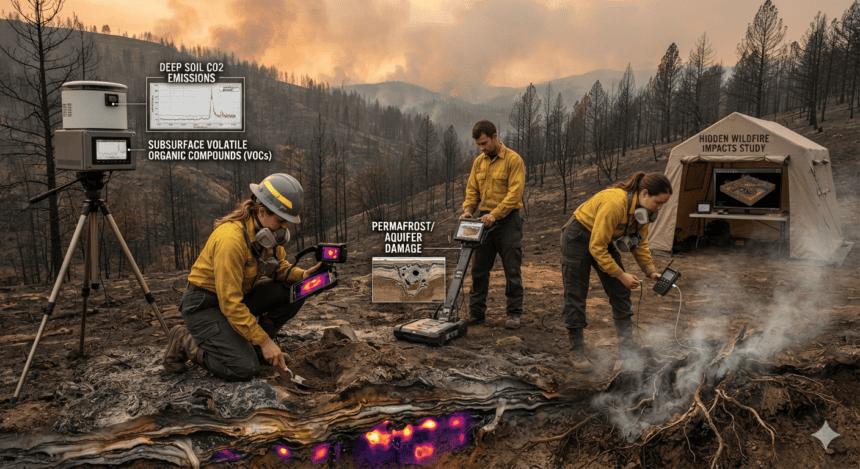
Wales: Scientists investigating the impact of severe wildfires across Wales this summer have warned that the fires caused “catastrophic” damage that may not be immediately visible.
While the flames destroyed vegetation and damaged habitats, researchers say the deeper consequences could continue for years through soil degradation, biodiversity loss and changes to fragile ecosystems.
Damage Goes Beyond Burned Landscapes
Wildfires are often measured by the area of land burned or the number of homes and buildings destroyed. However, scientists say the most serious effects can remain hidden beneath the surface.
High-intensity fires can damage soil structure, destroy seeds and microorganisms, and reduce the land’s ability to absorb and retain water. Once vegetation is removed, the affected areas may also become more vulnerable to erosion, flooding and future fires.
In sensitive landscapes, the loss of plant life can disrupt entire food chains. Insects, birds and small mammals may lose shelter and food sources, while damaged habitats can take years or even decades to recover.
Climate Change Increasing Fire Risks
Scientists say climate change is making wildfire conditions more dangerous by increasing temperatures, drying vegetation and extending periods of drought.
The warning comes as extreme heat and wildfires continue to affect several regions around the world. The World Meteorological Organization has reported that wildfire smoke and heatwaves are undermining progress in improving air quality, while climate change is increasing the frequency and severity of extreme fire events.
The combination of hot weather, dry ground and strong winds can allow fires to spread rapidly and become difficult to control.
Threat to Wildlife and Natural Habitats
The ecological impact of the Welsh fires is a major concern for conservationists.
When natural habitats burn, wildlife may be forced to move into unfamiliar areas in search of food and shelter. Some species may survive the fire but struggle afterward because their feeding and breeding grounds have been destroyed.
The loss of vegetation can also affect rivers and streams. Ash and loose soil may be washed into waterways during rainfall, reducing water quality and threatening aquatic life.
Scientists warn that the damage could be particularly serious in areas containing rare plants, peatlands and other ecosystems that recover slowly.
Hidden Carbon and Soil Damage
Wildfires can also release large amounts of carbon stored in vegetation and soil. In some areas, fires burn beneath the surface, particularly where dry peat or organic material is present.
These underground fires may continue smouldering after the visible flames have disappeared. They can release additional carbon dioxide and make the landscape more difficult to restore.
Recent wildfire monitoring in Indonesia has also highlighted concerns that underground peat fires can cause emissions to be underestimated because they are not always visible from the air.
Recovery Could Take Years
Experts say restoring fire-damaged landscapes will require more than simply allowing new plants to grow.
Conservation work may include:
-
Protecting remaining unburned habitats.
-
Preventing soil erosion.
-
Restoring native vegetation.
-
Monitoring water quality.
-
Supporting wildlife recovery.
-
Reducing the risk of repeated fires.
-
Improving early-warning and fire-monitoring systems.
Researchers are also expected to continue assessing the long-term effects of the fires to determine which areas can recover naturally and which will require active intervention.
A Warning for the Future
Scientists say the latest fires should be treated as a warning about the growing risks linked to extreme weather and climate change.
Although the visible flames may disappear within days, the environmental damage can remain for years. The loss of soil health, wildlife habitats and stored carbon may create long-term consequences for both nature and local communities.