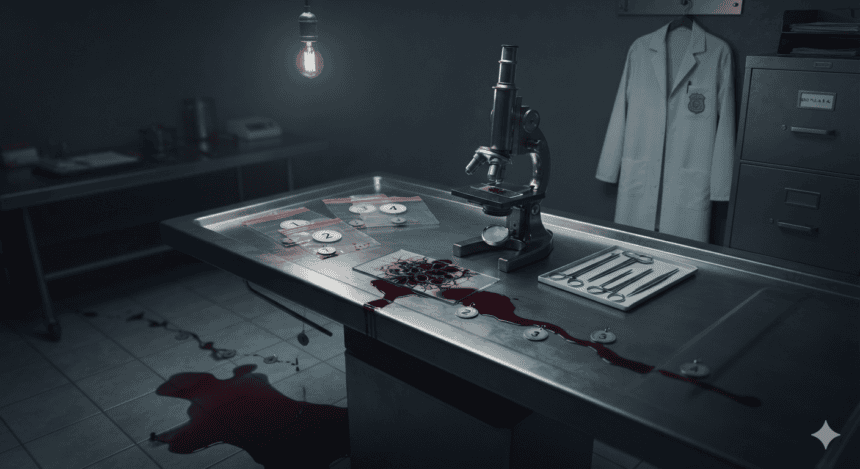
Mir Raza Ali died from hemorrhagic shock, the police surgeon confirmed on Tuesday, following a post-mortem examination that effectively ruled out natural causes.
The findings mark a shift in the investigation into Ali’s death, which had been shrouded in uncertainty since his body was discovered. Hemorrhagic shock occurs when the body loses too much blood, leading to organ failure—a clinical determination that now forces investigators to pivot toward a criminal inquiry.
“The cause of death is clear,” the police surgeon told reporters, speaking on condition of anonymity due to the sensitivity of the ongoing investigation. “The trauma resulted in massive blood loss. It wasn’t an accident.”
While the surgeon declined to provide specific details on the nature of the wounds, citing the need to protect the integrity of the evidence, the report leaves little room for ambiguity. Investigators are now scouring the scene for forensic traces that were previously overlooked, operating under the assumption that the victim encountered someone before he collapsed.
Family members, who had spent days demanding a transparent inquiry, gathered outside the hospital as the news broke. Their frustration with the initial police response remains high; they have long maintained that Ali’s death was not the result of a medical emergency.
For the police, the challenge is now logistical. They must trace Ali’s final movements in the hours leading up to his collapse. Surveillance footage from nearby businesses is being pulled, though sources close to the investigation admit that key segments of the timeline remain dark.
The case—once treated as a suspicious death—is now being handled as a homicide. Detectives have been reassigned to prioritize the forensic findings, and a formal case registration is expected by Wednesday morning.
Ali’s death has sent shockwaves through his social circle, leaving many to question how such violence could occur in a high-traffic area without drawing immediate attention. With the cause of death officially established, the pressure on law enforcement to produce a suspect has reached a breaking point.