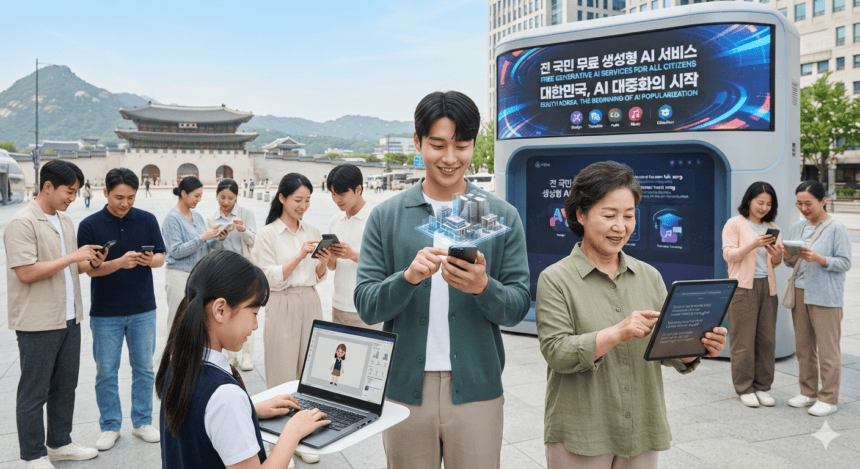
SEOUL — South Korea is set to launch a nationwide initiative providing free access to generative artificial intelligence tools for every citizen, a move that cements the country’s aggressive push to integrate advanced technology into daily life.
The Ministry of Science and ICT confirmed the plan this week, aiming to bridge the digital divide and foster AI literacy across all demographics. While the government has yet to name the specific platform providers, the initiative will leverage existing domestic AI models to ensure language accuracy and cultural relevance for Korean users.
The government isn’t just handing out software. Officials view this as a necessary step to maintain a competitive edge in the global tech race. With the domestic workforce facing a demographic crunch, the goal is to boost individual productivity and streamline administrative tasks for everyone from students to small business owners.
Critics have raised questions about data privacy and the potential for misuse. In response, the ministry noted that the rollout will include mandatory digital ethics training and robust guardrails to prevent the generation of harmful or misinformation-heavy content.
“Technology shouldn’t be a luxury for the tech-savvy or the wealthy,” a senior ministry official told reporters during a Tuesday briefing. “By democratizing access, we are preparing the entire population for an economy where AI fluency is no longer optional.”
The move follows a series of investments in local AI infrastructure, including partnerships with tech giants like Naver and Kakao. These companies have already developed specialized Large Language Models (LLMs) that outperform global competitors in understanding the nuances of the Korean language and local regulatory requirements.
The program will roll out in phases starting early next year. Initially, the government will prioritize accessibility for elderly citizens and those in rural areas, groups traditionally sidelined during rapid digital transitions.
Whether this state-sponsored access will stifle private sector innovation remains a point of debate among industry analysts. For now, however, the administration is betting that a digitally empowered public is the only way to secure the country’s future in an increasingly automated global market.