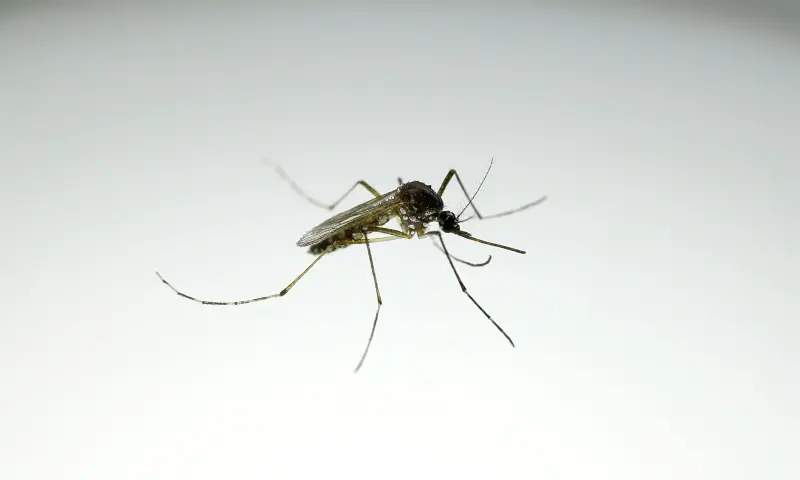
Health authorities in Nowshera have intensified surveillance and preventive measures after the district reported additional cases of chikungunya, a mosquito-borne viral disease. So far, 14 patients have been detected in the district.
Authorities have extended surveillance to neighbouring union councils to determine whether the infection has spread beyond the initially affected areas. Health teams have also begun larvicidal activities and mosquito-control operations to reduce the breeding of mosquitoes responsible for transmitting the virus.
Officials are monitoring suspected patients and checking areas where stagnant water could provide breeding grounds for mosquitoes. Such measures are considered important during periods when mosquito populations increase and the risk of vector-borne diseases rises.
Health teams are also working on public awareness and encouraging residents to remove standing water from homes and surrounding areas. Water containers, drains and other potential mosquito-breeding sites are being inspected as part of the preventive response.
Chikungunya commonly causes fever and severe joint pain, while patients can also experience headache, muscle pain, joint swelling and fatigue. Although most patients recover, joint pain can sometimes persist for weeks or longer.
The health authorities’ intensified response is aimed at identifying infections early and preventing further transmission. Surveillance of adjoining areas is also expected to help officials understand the extent of the outbreak and respond quickly if additional cases emerge.