Weight-loss medicines based on GLP-1 hormones have transformed obesity treatment for many patients, but new reports highlight that the drugs do not produce the same results for everyone. Some users experience little or no significant weight loss despite taking medication and following diet and exercise programmes.
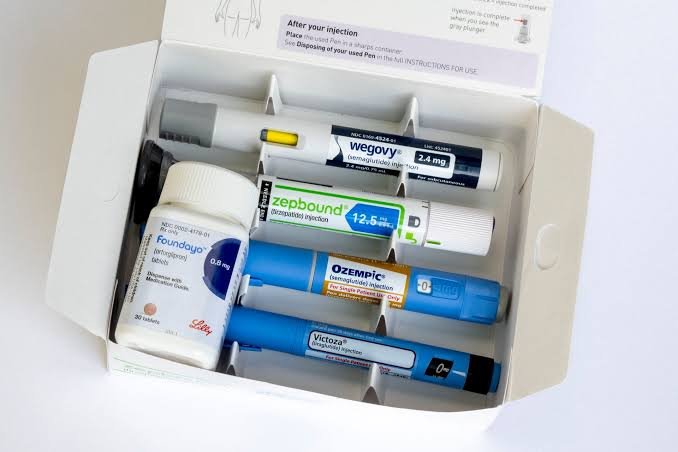
Medicines such as Ozempic, Wegovy, Mounjaro and Zepbound have gained widespread attention because they can reduce appetite and help many people lose substantial amounts of weight. However, clinical trial data indicate that a significant minority of patients may experience less than 5% weight loss.
Some people who do not respond adequately to the medicines report that their appetite and food cravings remain extremely strong. One patient described the experience as being similar to “heroin withdrawal”, reflecting the intensity of her cravings and persistent thoughts about food.
Experts say that failing to lose weight while taking these medicines should not automatically be interpreted as a lack of effort or willpower. Obesity is a complex condition influenced by biological, genetic, hormonal and environmental factors.
Researchers are investigating why some patients respond strongly while others experience limited benefits. Factors including age, sex, type 2 diabetes, ancestry, hormonal differences and genetic variations may affect how an individual responds to treatment, although doctors cannot yet reliably predict which patients will be non-responders.
For people who do not benefit sufficiently from GLP-1 medicines, doctors may consider alternative treatments, including other medications or, in suitable cases, bariatric surgery. Researchers are also continuing to develop new treatments for obesity.
The experience of non-responders highlights the need for personalised obesity treatment, rather than assuming that a single medicine will work equally well for everyone.