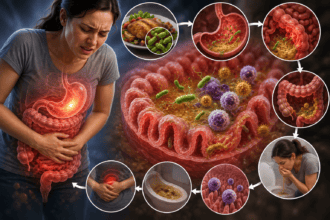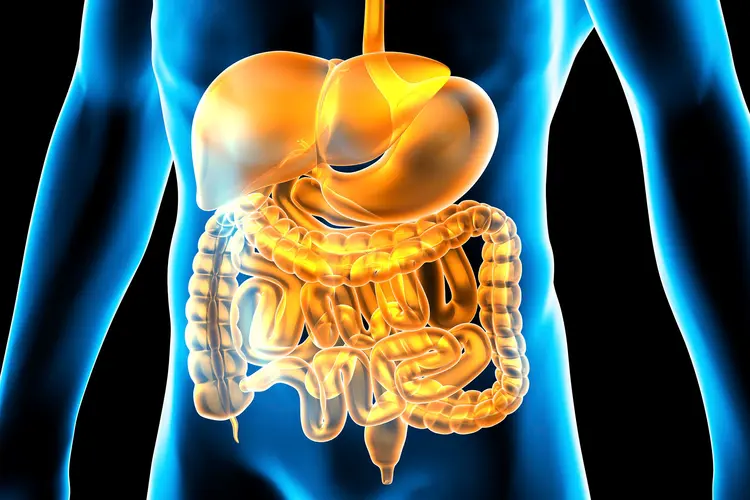
Constipation is a common digestive problem that can cause hard or dry stools, difficulty passing stool, abdominal discomfort and a feeling of incomplete bowel movement. It can be linked to factors such as low fiber intake, dehydration, lack of physical activity, certain medicines and some medical conditions.
Fortunately, several lifestyle changes and home remedies may help improve constipation. Here are 13 approaches that may support better bowel movements.
1. Drink Enough Water
Dehydration can contribute to constipation. Drinking enough fluids throughout the day can help keep the body hydrated and may make stools easier to pass.
2. Increase Fiber Intake
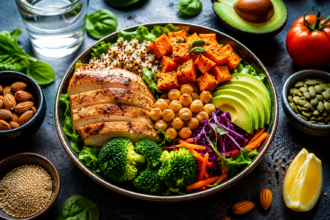
Fiber can add bulk to stools and help them move through the digestive system. Fruits, vegetables, whole grains, beans, lentils, nuts and seeds are useful sources. Soluble, non-fermentable fiber such as psyllium may be particularly helpful for some people.
3. Stay Physically Active
Regular physical activity may help stimulate digestion. Walking, swimming, cycling or other moderate activities can be useful, particularly for people who spend much of the day sitting.
4. Consider Coffee
For some people, caffeinated coffee can stimulate the muscles of the digestive system and increase the urge to have a bowel movement. However, coffee may worsen digestive symptoms in some people with IBS.
5. Senna May Help
Senna is an herbal laxative that stimulates the nerves in the gut and can speed up bowel movements. It is generally intended for short-term use, and people with persistent symptoms should consult a healthcare professional.
6. Add Probiotic Foods
Probiotics are beneficial bacteria that may support a healthy gut environment. Foods such as yogurt, kimchi and sauerkraut contain probiotics, and some research suggests they may help improve stool frequency and consistency.
7. Ask a Pharmacist About Laxatives
Different types of laxatives work in different ways, including fiber-based, stool-softening, stimulant and osmotic laxatives. They can be effective, but regular use should be discussed with a doctor or pharmacist.
8. Consider a Low-FODMAP Diet for IBS
Constipation can occur alongside irritable bowel syndrome (IBS). A low-FODMAP diet may help some people with IBS-related constipation, although it may need to be combined with other dietary and lifestyle changes.
9. Try Glucomannan
Glucomannan is a soluble fiber derived from the konjac plant. Some research suggests it may help constipation, although results have not been consistent across all studies.
10. Eat Prebiotic Foods
Prebiotic fiber supports beneficial gut bacteria and may help improve digestive health. Foods such as bananas, chickpeas, onions, garlic and leeks contain prebiotic fibers, although some can trigger symptoms in people with IBS.
11. Magnesium Citrate
Magnesium citrate is an osmotic laxative that can help draw water into the digestive tract and relieve constipation. It is available over the counter, but people should seek medical advice when symptoms are persistent or recurrent.
12. Eat Prunes
Prunes contain both fiber and sorbitol, a sugar alcohol that has a laxative effect. Research suggests prunes can be an effective natural option for constipation, although they may worsen symptoms for some people with IBS.
13. Check Whether Dairy Is a Trigger
Some people with dairy or lactose intolerance may experience constipation after consuming dairy products. If dairy appears to trigger symptoms, a healthcare professional can help determine whether intolerance is involved.
When Should You See a Doctor?
Home remedies may help occasional constipation, but persistent or severe symptoms should not be ignored. Medical advice is especially important if constipation occurs with rectal bleeding, vomiting, fever, back pain or an inability to pass gas.
Bottom Line
Simple changes such as drinking enough water, increasing appropriate fiber intake, staying active and eating certain probiotic or fiber-rich foods may help relieve constipation. However, the best approach depends on the underlying cause and the individual’s health. If constipation continues despite lifestyle changes, consult a healthcare professional rather than relying on home remedies alone.