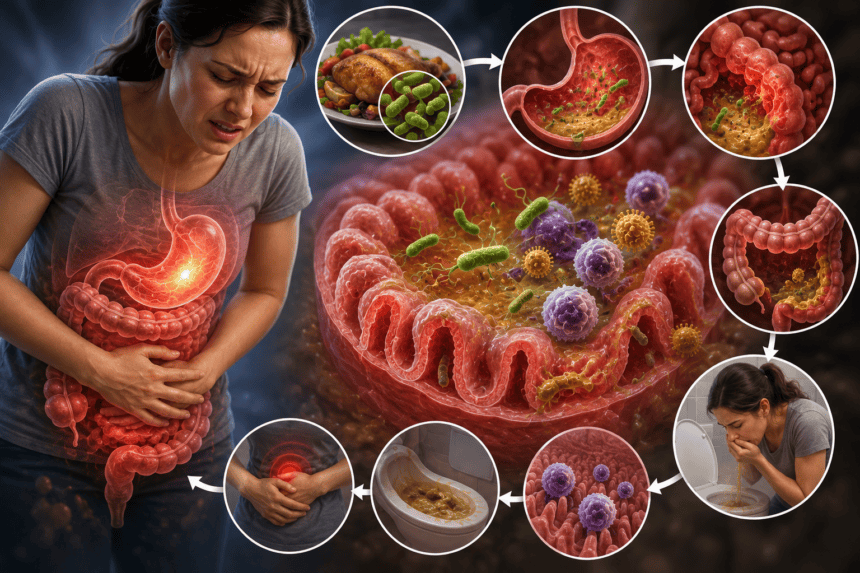
Food poisoning can begin suddenly. One moment you may feel completely normal, and hours later you may experience nausea, stomach cramps, vomiting, diarrhea, or fever.
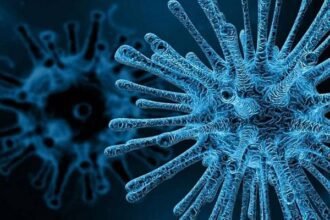
Food poisoning occurs when contaminated food or drinks expose the body to harmful microorganisms or toxins. Bacteria, viruses, parasites, and certain toxins can all cause foodborne illness.
But what is actually happening inside your body?

The Problem Begins in the Digestive System
When contaminated food enters the mouth, it travels through the esophagus into the stomach.
The stomach contains strong digestive acids that destroy many microorganisms. However, some harmful organisms or toxins can survive the digestive process.
Once they reach the intestines, they may begin interfering with normal digestion and absorption.
Your Immune System Detects the Threat
The digestive tract contains a large part of the body’s immune defenses.
When harmful microorganisms or their toxins are detected, immune cells recognize that something is wrong.
The body responds by activating inflammation and other protective mechanisms.
This immune response can contribute to symptoms such as abdominal discomfort, nausea, and fever.
Why Does Diarrhea Happen?
Diarrhea is one of the body’s ways of removing unwanted substances.
Some bacteria and viruses interfere with the intestine’s ability to absorb water and nutrients. Others cause the intestines to release additional fluid.
As a result, stools become loose or watery.
Although unpleasant, diarrhea can help move harmful material through the digestive tract more quickly.
However, severe diarrhea can become dangerous because it causes the body to lose water and electrolytes.
Why Do You Vomit?
Vomiting is another protective response.
The brain contains a vomiting-control center that can be activated by signals from the digestive system.
When the body detects certain toxins or irritation, it may trigger vomiting to remove the contents of the stomach.
This is one reason food poisoning can involve both vomiting and diarrhea.
Why Do Stomach Cramps Occur?
Abdominal cramps can develop when the intestines become irritated and their muscular movements change.
The digestive tract uses coordinated muscle contractions to move food and waste forward. During an intestinal infection, these movements may become stronger or more frequent.
That can produce painful cramps.
Why Can Food Poisoning Cause Fever?
A fever is often part of the immune system’s response to infection.
When immune cells detect harmful microorganisms, they release chemical signals that can influence the body’s temperature-regulating system.
A moderate fever may accompany certain infections.
However, not every case of food poisoning causes fever, and symptoms vary depending on the organism or toxin involved.
Dehydration Is a Major Concern
The biggest immediate danger in many cases of food poisoning is dehydration.
Repeated vomiting and diarrhea can cause significant fluid loss.
Signs of dehydration can include:
- Dry mouth
- Extreme thirst
- Reduced urination
- Dark-colored urine
- Weakness
- Dizziness
Young children, older adults, and people with certain health conditions may be particularly vulnerable to complications from dehydration.
How Does the Body Recover?
In many cases, the immune system eventually controls the infection while the digestive tract repairs itself.
The lining of the intestines is continuously renewed. As the infection resolves, inflammation decreases and normal digestive function gradually returns.
Most uncomplicated cases improve with supportive care and adequate fluid replacement.
When Should You Seek Medical Help?
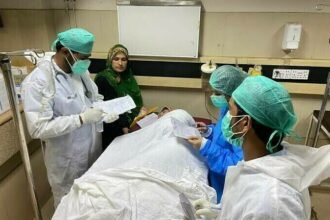
Medical attention may be necessary if symptoms are severe, persistent, or accompanied by concerning signs such as significant dehydration, blood in the stool, severe abdominal pain, confusion, or difficulty keeping fluids down.
The cause also matters. Certain foodborne infections can become serious and require medical treatment.
The Bottom Line
Food poisoning is essentially a battle between harmful substances or microorganisms and your body’s protective systems.
Vomiting and diarrhea may be unpleasant, but they are partly protective mechanisms designed to remove threats. At the same time, these symptoms can cause dangerous fluid loss.
Understanding what is happening inside your body can help explain why hydration and appropriate medical care are so important during foodborne illness.