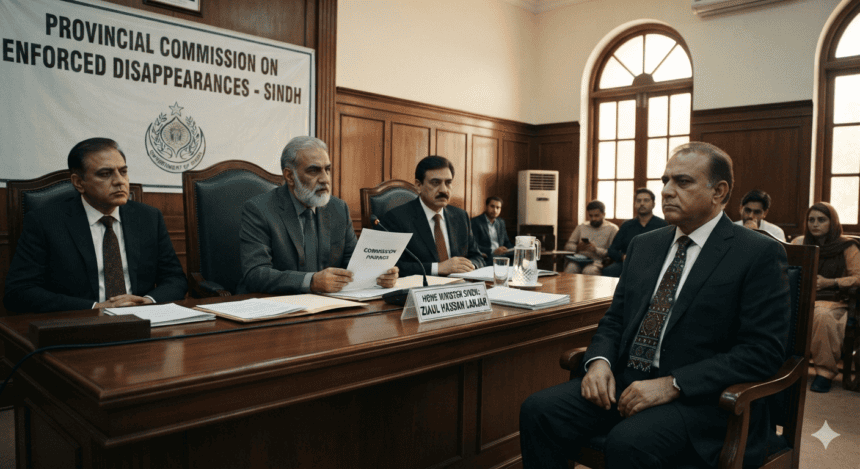
The Sindh Human Rights Commission has summoned Provincial Home Minister Ziaul Hassan Lanjar to appear before it, following mounting pressure regarding the disappearance and subsequent legal proceedings involving Mir Raza Ali.
The commission issued the summons after failing to receive a satisfactory response from the Home Department regarding the status of the case. The body, tasked with investigating potential rights violations, is now demanding direct testimony from the minister to clarify the state’s role in the ongoing controversy.
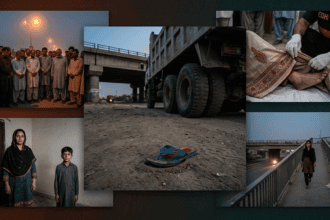
The case of Mir Raza Ali has become a flashpoint for activists in Karachi, who allege procedural irregularities and a lack of transparency from law enforcement agencies. Critics argue that the provincial government has been evasive, providing fragmented updates while failing to address specific allegations of custodial misconduct.
Lanjar, who oversees the province’s security apparatus, is expected to explain why the Home Department has not complied with previous requests for detailed documentation. The commission’s decision to escalate the matter to the minister suggests that internal bureaucratic hurdles have reached a breaking point.
The summons arrives at a time when the provincial government is already facing scrutiny over its handling of law and order. By pulling the Home Minister into the formal inquiry, the commission is forcing a confrontation between administrative accountability and the opaque nature of police operations.
The hearing is set to take place later this week. Whether the minister appears in person or sends a representative remains the central question for those tracking the case. For now, the move serves as a pointed reminder that the commission intends to bypass the standard departmental stonewalling that has stalled the investigation for months.
If the minister fails to address the commission’s concerns, the body may be forced to seek further legal interventions, potentially setting the stage for a wider constitutional crisis regarding the oversight of Sindh’s security agencies.