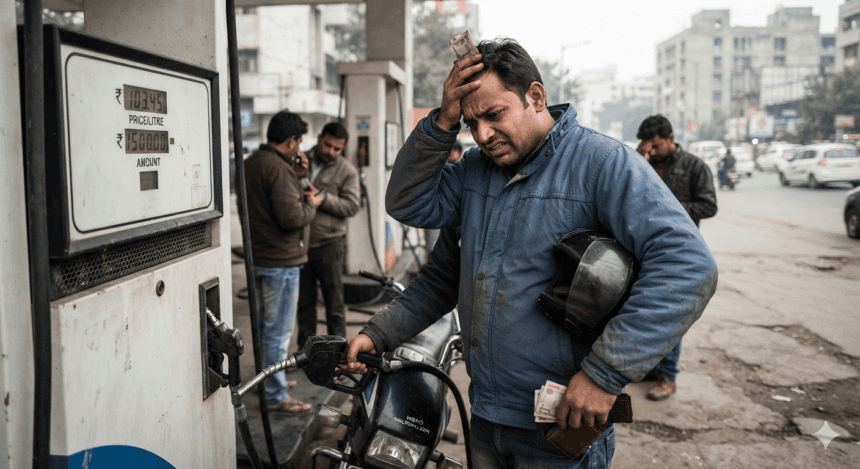
The government jacked up petrol prices by Rs9.99 per liter late Wednesday, marking the second consecutive hike in as many weeks. High-octane fuel and diesel also saw significant jumps, pushing the cost of living further out of reach for the average household.
The new rates took effect at midnight. Motorists across the country lined up at pumps until the final hour, hoping to save a few hundred rupees before the meters flipped. By morning, the reality of the increase had set in.
“I’m spending nearly forty percent of my monthly salary just on commuting,” said Javed Iqbal, a ride-share driver in Islamabad. “At this rate, I’ll be paying the petrol station more than I take home to my family.”
The finance ministry cited rising global oil prices and currency volatility as the primary drivers for this latest adjustment. Officials maintain that the hike is necessary to meet international loan conditions and stabilize the national budget. But for those on the ground, the explanation offers little relief.
Public transport fares are expected to follow suit within days. When fuel costs rise, the price of everything from vegetables to construction materials shifts upward, creating a ripple effect that hits the poorest segments of society hardest.
Market analysts are warning that this trend may not stop here. Global crude markets remain unstable, and with the local currency struggling to find a floor, the government’s reliance on fuel taxes to plug revenue gaps leaves little room for subsidies.
The opposition has already slammed the decision, calling for a rollback and accusing the administration of ignoring the crushing burden on the working class. The government, meanwhile, insists it has no fiscal space to absorb the global price shocks.
As the new rates bite, commuters are already looking for alternatives—carpooling, skipping non-essential trips, or simply parking their vehicles. For most, however, the commute is mandatory, and the cost of getting to work just became the most expensive part of the day.