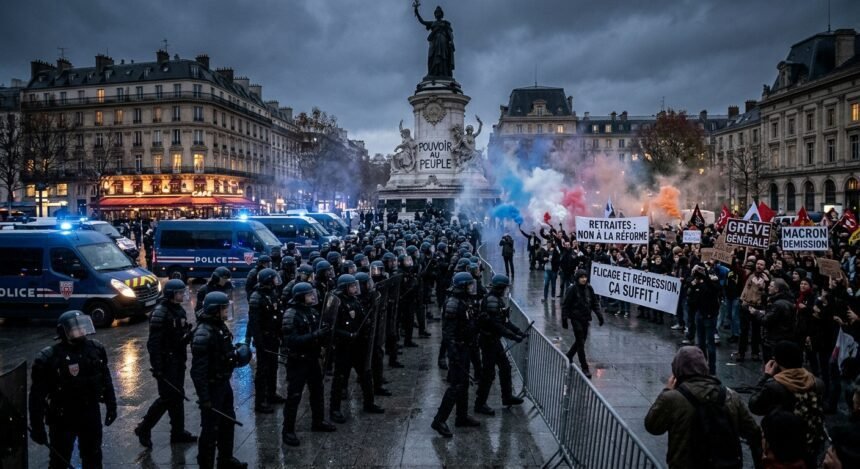
The French government is preparing for a fresh wave of civil unrest, announcing a significant deployment of security forces across major cities this week. Interior Minister Gérald Darmanin confirmed the move, citing intelligence reports that suggest organized groups are mobilizing for nationwide demonstrations.
Authorities are bracing for potential flashpoints in Paris, Lyon, and Marseille. While specific grievances vary among the protest groups, the overarching tension stems from ongoing debates over economic policy and public sector reforms. The Interior Ministry has signaled a “zero-tolerance” approach to vandalism, a direct response to the property damage and retail looting that marred previous protest cycles.
“We are not here to stop the right to dissent, but we are here to maintain the republic’s order,” a senior police official said, speaking on condition of anonymity. He added that tactical units would be positioned to secure key transport hubs and government buildings starting early Wednesday morning.
The decision to bolster security reflects the administration’s attempt to regain control of the narrative. Recent protests have often devolved into street battles between demonstrators and the CRS—France’s specialized riot police. The government is under intense pressure from business owners in city centers who have seen their storefronts boarded up repeatedly over the last year.
Civil liberty groups have already voiced concerns about the scale of the deployment. They argue that the heavy police presence often acts as a catalyst for violence rather than a deterrent. “When you fill the streets with armored vehicles and riot gear, you aren’t inviting dialogue,” a spokesperson for a prominent human rights watchdog noted.
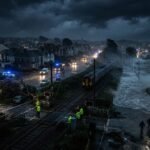
For now, the capital remains on high alert. The government’s strategy relies on preventing the formation of large, unmonitored crowds before they can gather momentum. With rail unions threatening sympathy strikes, the coming days will serve as a critical test for the state’s ability to balance public safety with the democratic right to demonstrate.