Doha, Qatar: Once focused on traditional security threats and economic stability, Gulf countries are now facing a new kind of challenge climate risk. Experts warn that climate change, not conventional warfare or regional politics, is emerging as the biggest long-term threat to the Gulf region.
The shift in risk perception became clear after the recent Doha Climate Security Forum, where energy leaders, policymakers, and climate scientists met to discuss environmental resilience in oil-rich Gulf states. Attendees emphasized that rising temperatures, sea-level threats, water scarcity, and the push for a global energy transition are reshaping the region’s security dynamics.
“We weathered wars, political tensions, and energy crises but climate risks now cut across all sectors, from food to water to energy,” said a senior advisor from the UAE during the summit.
Climate More Dangerous Than Past Conflicts
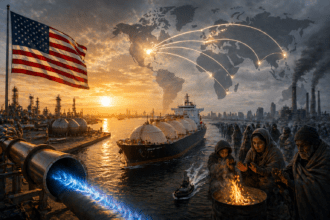
In the past, Gulf countries were known for navigating geopolitical threats like the Gulf War, Iran-Saudi tensions, and energy market shocks. But today’s climate-linked risks such as extreme heatwaves, limited freshwater resources, and dependency on oil exports pose more complex and long-term challenges.
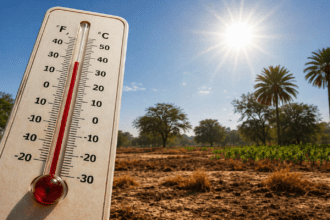
According to analysts, the Gulf is warming at twice the global average. Cities like Doha, Riyadh, and Dubai face frequent extreme heat warnings. Infrastructure, labor, agriculture, and tourism are increasingly under strain. Sea level rise also threatens coastal mega-projects and oil infrastructure.
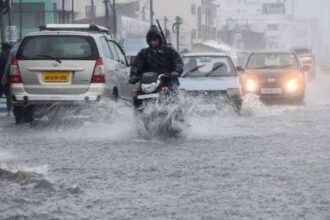
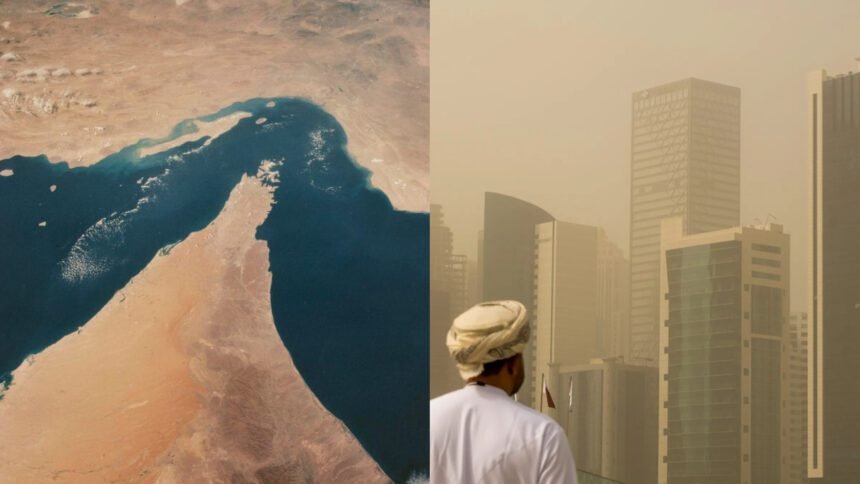
Regional Leaders Acknowledge the Shift Qatari officials, hosting the forum, emphasized that security planning can no longer ignore the environment. “It’s no longer just about weather events like sandstorms or floods. It’s about how climate disruption affects our economies, energy systems, and even political stability,” said one speaker.
Saudi Arabia and the UAE are already investing billions in renewable energy, green hydrogen, and water desalination. Yet experts argue more policy changes are needed, including stronger environmental regulation and regional cooperation.
Future of Gulf Depends on Climate Readiness
As oil demand slows and the world transitions to green energy, Gulf countries risk being left behind unless they diversify and adapt fast. Youth unemployment, food insecurity, and migration are potential risks linked to future climate stress.
The Doha Forum concluded with a call to action: treat climate not as a background issue, but as a central pillar of national and regional security.
“This is no longer a distant issue. The climate is our new frontline,” a panelist said.