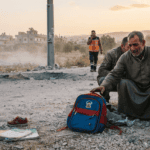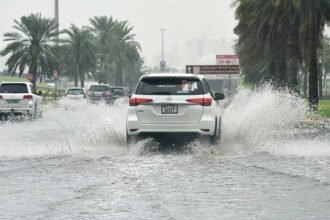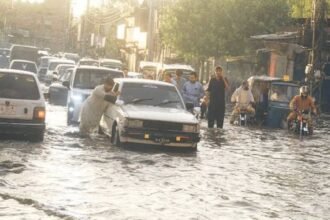
Calling off school during extreme weather may offer immediate relief, but it does little to solve the deeper, long standing issues in our education system. Instead of addressing fundamental flaws such as weak infrastructure, poor ventilation, overcrowded classrooms, and rigid academic schedules we simply pause learning. These breaks disrupt academic flow, leaving students struggling to catch up and teachers under pressure to cover the syllabus quickly. Once classes resume, the loss of learning momentum and increased pressure reveal a system barely managing to stay afloat.
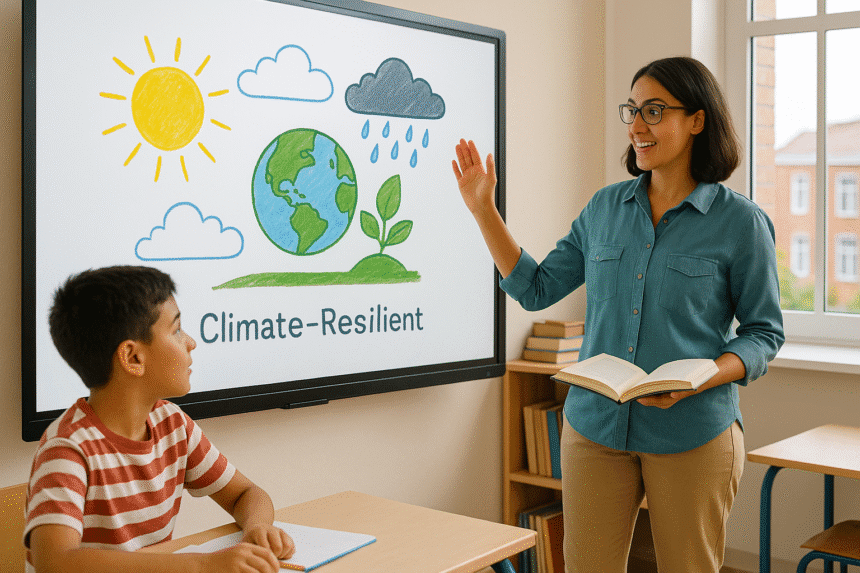
To truly move forward, we need lasting, student focused reforms. Schools should be redesigned with climate resilience in mind: better ventilation, proper insulation, and safe spaces that protect both students and teachers during harsh conditions. Educational authorities must embrace flexible school hours, blended learning models, and equip teachers with the skills to manage disruptions effectively. Digital tools—such as online lessons, smart boards, or learning apps—can help sustain learning even when physical attendance isn’t possible.
Equally important is the mental well-being of students and teachers. Educational policies must balance academic demands with emotional health and realistic workloads. To ensure meaningful progress, climate challenges in education should be treated as a critical long-term issue, not just a seasonal nuisance.
Investment must focus on upgrading school facilities, especially in climate vulnerable areas. Engaging communities and raising awareness can also drive demand for more effective and compassionate solutions. The time for quick fixes is over. We need an education system that is strong, flexible, and prepared for the future regardless of the weather.