
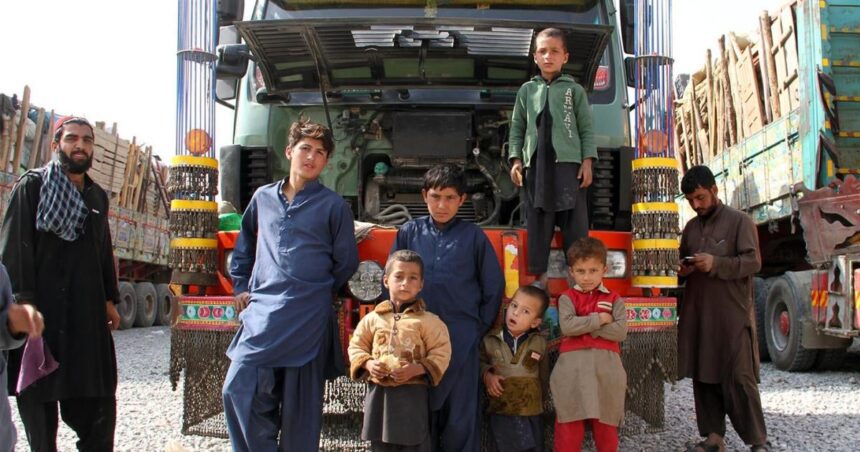
Pakistan has ordered the closure of 28 Afghan refugee camps in Khyber-Pakhtunkhwa, forcing thousands of Afghan families many who’ve lived in Pakistan for decades to prepare to return to a country they barely know. The decision is part of a nationwide policy to repatriate undocumented Afghan nationals amid rising tensions between Islamabad and Kabul.
Families like 60-year-old Malam Zameer from Peshawar’s Khababiyan Camp say they feel lost and abandoned. Born in Afghanistan but raised in Pakistan, Zameer said he cannot sleep, worrying about how to move his belongings, which costs up to Rs300,000 an impossible amount for daily wage workers. “Where do we go? How do we afford it?” he asked.
The Ministry of SAFRON issued the de-notification on October 15, 2025, directing the immediate shutdown of these camps and transfer of land and assets to local authorities. A total of 43 camps across districts like Peshawar, Mardan, Swabi, Nowshera and Haripur have been de-notified, according to the Afghan Commissionerate. Repatriation is being carried out in phases.
In Haripur, three camps hosting nearly 67,000 Afghans have been closed. District Police Officer Farhan Khan confirmed that around 10,000 refugees have already crossed into Afghanistan, while others are being guided for voluntary return. Officials insist the process is “dignified and non-coercive.”
However, residents like Raghuna Bibi from Shamshatoo Camp feel emotionally shattered. She sold everything to buy a small home in Pakistan. “How can I leave the only home my children know?” she said. Many families are refusing to leave until the government clarifies the status of their homes, land, and small businesses.
In Peshawar alone, eight major camps like Khazana, Naguman, Khurasan, and Khababiyan have been notified for eviction. Authorities have given a one-week deadline to vacate these areas. Police say they are under strict orders not to harass refugees and only to facilitate safe passage.
Wider Crackdown Across Provinces:
This move is tied to Pakistan’s larger plan to expel illegal Afghan residents.
- Punjab: A “whistle-blower system” will allow citizens to report undocumented migrants anonymously. Combing operations and business checks for illegal Afghan traders have been announced.
- Sindh: Demolition of Afghan houses has begun in Karachi’s Sohrab Goth. Over 3,000 structures have been removed, while the Malir Development Authority has taken control of the land.
- Karachi: Nearly 65,000 Afghans have already been deported nationwide since the repatriation drive began in late 2023.
Human Cost & Local Backlash:
Pakhtun communities in Punjab say they face frequent police raids and identity checks due to this campaign. Afghan-origin families complain of harassment and bribes at checkpoints.
Moeen Khan, an Afghan labourer in Lahore, said, “We have lived here for 60 years. Pakistan gave us shelter now we are being told to leave like strangers.”
Tensions Fueling Policy:
The repatriation policy has intensified following deadly clashes along the Pakistan-Afghanistan border. Pakistani forces responded with “precision strikes” after Afghan firing on border posts. A temporary 48-hour ceasefire was agreed upon after heavy losses on both sides.