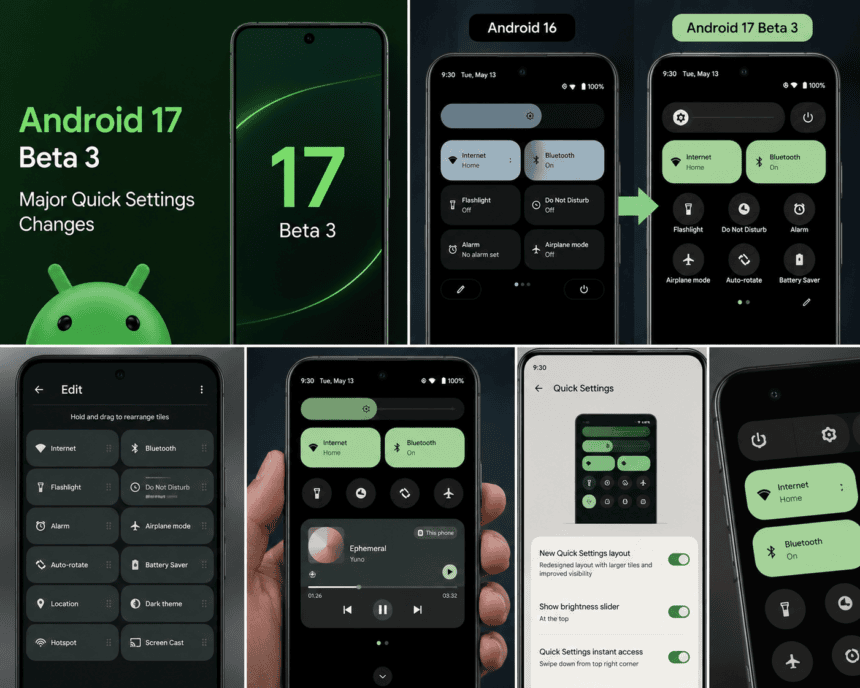
Google’s third beta release of Android 15 brings a significant visual and functional shift to the Quick Settings panel. The update moves away from the longstanding two-page swipe layout, consolidating controls into a more compact, tile-based grid that prioritizes ease of access.
The most immediate change is the removal of the double-swipe requirement. Users can now access the full expanded view of their tiles with a single gesture, stripping away the friction that defined previous iterations of the interface. Google has also redesigned the brightness slider, now featuring a thicker bar with a more pronounced haptic response when adjusted.
This shift isn’t just about aesthetics; it’s about efficiency. By condensing the layout, Google is forcing a more intentional use of screen real estate. The tiles now support a more fluid animation style, snapping into place with less jitter than the developer previews suggested.
However, the change has sparked debate among long-time Android users. The new layout forces a more crowded look, particularly for devices with smaller displays. While power users may appreciate the reduced number of gestures, those accustomed to the minimalist, sparse grid of earlier Android 15 builds may find the new density overwhelming.
The update also refines the Media Player integration. It now sits more cleanly at the top of the panel, avoiding the overlap issues that plagued Beta 2. When active, the player pulls dominant colors from the album art, a subtle touch that highlights Google’s focus on the Material You design language.
Engineers have clearly prioritized speed over the previous “clean” look. By bringing more controls to the forefront, the company is aiming to reduce the time spent navigating menus. Whether this trade-off between simplicity and functionality pays off for the average user remains the primary question for the final release.
Android 15 is expected to hit stable status later this year. For now, testers on Pixel devices are the primary guinea pigs for this overhaul, and their feedback in the coming weeks will likely dictate whether these tiles stay exactly where they are or undergo further refinement before the public launch.