By using this site, you agree to the Privacy Policy and Terms of Use.
Accept
Media HydeMedia Hyde
  • Home
  • Politics
  • Education
  • Entertainment
  • Sports
  • Blogs
  • Business & Commerce
  • Others
    • Religious
    • Metropolitan
    • Climate and Weather
Font ResizerAa
Media HydeMedia Hyde
Font ResizerAa
  • Home
  • Politics
  • Education
  • Entertainment
  • Sports
  • Blogs
  • Business & Commerce
  • Others
    • Religious
    • Metropolitan
    • Climate and Weather
Follow US
© 2026 Media Hyde Network. All Rights Reserved.
Health

Artificial Intelligence in Healthcare: Beneficial or Risky for Patients?

Last updated: March 4, 2026 12:29 am
Neha Ashraf
Share
SHARE

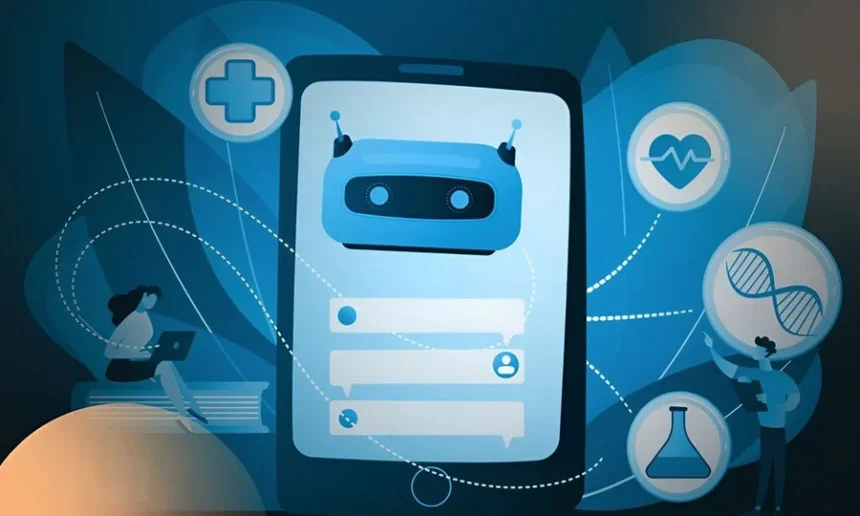
Technology companies are now introducing artificial intelligence chatbots specifically designed to answer medical questions.

‎OpenAI has recently introduced a new program called ChatGPT Health, which can use patients’ medical records and data to respond to health related queries.

‎What can these bots do?

‎Companies say these programs are not a replacement for doctors but are meant to assist patients. They can explain complex test reports, help patients prepare for doctor appointments, and highlight important trends hidden in medical records.

‎Dr Robert Wachter, an expert at the University of California, says these tools are better than a Google search because they provide more personalized information. He advises patients to provide as much detail as possible to chatbots in order to receive better responses.

‎Experts say that for symptoms such as chest pain, difficulty breathing, or severe headache, patients should seek immediate medical attention rather than relying on chatbots.

‎Privacy concerns:

‎Experts have warned that medical information shared with chatbots is not protected under the same laws that apply to doctors and hospitals.

‎OpenAI and Anthropic claim that they keep users’ medical information separate and do not use it to train their models.

‎Flaws in research:

‎A study by the University of Oxford found that although AI chatbots can achieve 95 percent accuracy in written case scenarios, problems arise during real interactions with people.

‎Patients often fail to provide necessary information to chatbots and are unable to distinguish between good and bad information provided by AI.

‎Dr Wachter says that to increase confidence in information received from chatbots, users can consult multiple bots. He himself enters information into both ChatGPT and Google Gemini, and feels more confident when both provide similar answers.

‎Experts say these tools should be used with caution and sound judgment, and important health related decisions should not rely solely on chatbots.


Share This Article
Email Copy Link Print
Previous Article Breast Cancer Cases Worldwide to Surpass 3.5 Million by 2050, Study
Next Article New Drug Trial for Prostate Cancer
Leave a Comment

Leave a Reply Cancel reply

Your email address will not be published. Required fields are marked *

Sponsored Ads

Stay Connected

FacebookLike
XFollow
InstagramFollow
YoutubeSubscribe
WhatsAppFollow
ThreadsFollow
Iranian Interior Minister Meets PM Shehbaz, CDF Munir in Islamabad
Politics
July 22, 2026
Trump Vows to Help Lebanon but Offers No Timeline for Israeli Withdrawal
Politics
July 22, 2026
Govt Increases Petrol Price by Rs4.93, Diesel by Rs7.15 Per Litre
Politics
July 21, 2026
Record Number of Osprey Chicks Hatched at Nature Reserve
Climate and Weather Headline
July 21, 2026
Rahul Gandhi detained outside PM Modi’s residence during protest
Breaking
July 21, 2026
Big Oil Knew: Documents Link Industry to Methane Ignorance
Climate and Weather Headline
July 21, 2026

You Might Also Like

Health

Epidemic Diseases Spread Rapidly in Flood Hit Areas, 33,000 Patients Reported in a Single Day

By
Neha Ashraf
Rawalpindi Achieves Major Milestone in Polio Surveillance
Health

Rawalpindi Achieves Major Milestone in Polio Surveillance

By
Misbah Jogyat
Health

Rapid Early Spread of Bird Flu in Europe Raises Fears of Fresh Crisis

By
Irma Khan
A rigid daily routine could be the key to slowing the biological clock
Health

A rigid daily routine could be the key to slowing the biological clock

By
Misbah Jogyat
Media Hyde Media Hyde Dark
Facebook Twitter Youtube Rss Medium

About US

Media Hyde Network: Your instant connection to breaking stories and live updates. Stay informed with our real-time coverage across politics, tech, entertainment, and more. Your reliable source for 24/7 News.

Top Categories
  • Headline
  • Politics
  • Entertainment
  • Education
  • Sports
  • Religious
  • Metropolitan
  • Climate and Weather
Usefull Links
  • Contact Us
  • Disclaimer
  • Privacy Policy
  • Cookies Policy
  • Advertising Policy
  • Terms & Conditions

© 2025 Media Hyde Network. All Rights Reserved.

Welcome Back!

Sign in to your account

Username or Email Address
Password

Lost your password?