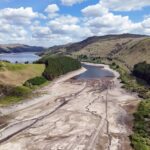


A slight slowdown of one of Earth’s most crucial ocean currents could trigger severe droughts across major rainforests, threatening ecosystems and accelerating climate change, a new study warns.
The research, published Wednesday (July 30) in Nature, links the weakening of the Atlantic Meridional Overturning Circulation (AMOC) which includes the Gulf Stream to a drastic decline in rainfall over tropical regions such as the Amazon. Findings suggest that even a small reduction in the current’s strength could nearly halve rainfall in some areas.
“The Amazon rainforest contains almost two years of global carbon emissions, making it a critical carbon sink,” said Pedro DiNezio, lead author and atmospheric scientist at the University of Colorado Boulder. “Drought here could unleash massive amounts of carbon into the atmosphere, creating a vicious cycle that worsens climate change.”
The AMOC functions as a global conveyor belt, moving heat, oxygen, and nutrients northward while sending cold water south. This delicate balance keeps both sides of the Atlantic about 9°F (5°C) warmer than they would otherwise be.
Historical climate records spanning 17,000 years reveal that the AMOC has shut down before. Scientists warn that current glacial meltwater from climate change is causing a slowdown, with worst-case models predicting a potential collapse within this century a scenario that could bring devastating, irreversible consequences worldwide.