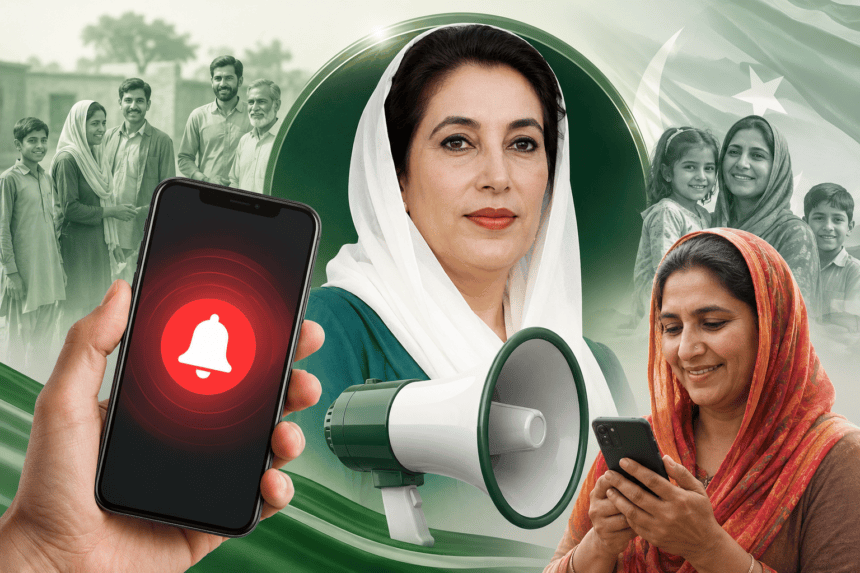
The Benazir Income Support Programme (BISP) has issued an urgent nationwide alert, warning beneficiaries against a sophisticated wave of digital fraud targeting their stipends. Officials confirmed Tuesday that scammers are increasingly using spoofed SMS messages and fake helpline numbers to siphon funds from vulnerable households.
The fraud follows a familiar, predatory pattern. Beneficiaries receive messages claiming their account is blocked or that they’ve qualified for a new, “special” grant. The goal is to trick them into sharing their PIN or clicking malicious links that grant hackers remote access to their digital wallets.
“We don’t send links via SMS, and we never ask for your PIN over the phone,” a senior BISP official told reporters in Islamabad. He urged recipients to ignore any message not coming from the official 8171 shortcode.
Digital security experts point to a lack of awareness as the primary driver behind the success of these scams. While BISP has improved its payment infrastructure, the human element remains the weakest link. Scammers are exploiting the desperation of families struggling with record-high inflation, offering a false sense of financial relief to gain trust.
The government has now mandated that all official communication must originate from the 8171 number. If a message arrives from a private mobile number—regardless of the claims it makes—it is a scam.
Beyond the immediate financial loss, these incidents threaten the integrity of the entire social safety net. When families lose their stipends to fraud, the program’s ability to provide a consistent floor for the country’s poorest citizens is compromised.
BISP has directed beneficiaries to report suspicious activity to their nearest regional office rather than engaging with callers. For now, the message from the program’s headquarters is blunt: if you are asked for your personal credentials, hang up. Your money is only safe as long as your information stays private.