ISLAMABAD — Amid shifting geopolitical realities, Pakistan and Iran have set an ambitious objective to expand their bilateral trade envelope from its current $3 billion mark to a projected $10 billion. While both nations share complementary markets, overlapping energy needs, and a long physical border, formal commerce continues to be severely throttled by international sanctions, banking restrictions, and institutional friction. To resolve these deeply entrenched systemic barriers, economic experts argue that the two neighbors must look beyond traditional trade infrastructure. The missing link is the establishment of a formal “knowledge corridor” aimed at converting geographic proximity into human and industrial productivity, effectively turning academic partnership into a core pillar of industrial strategy.
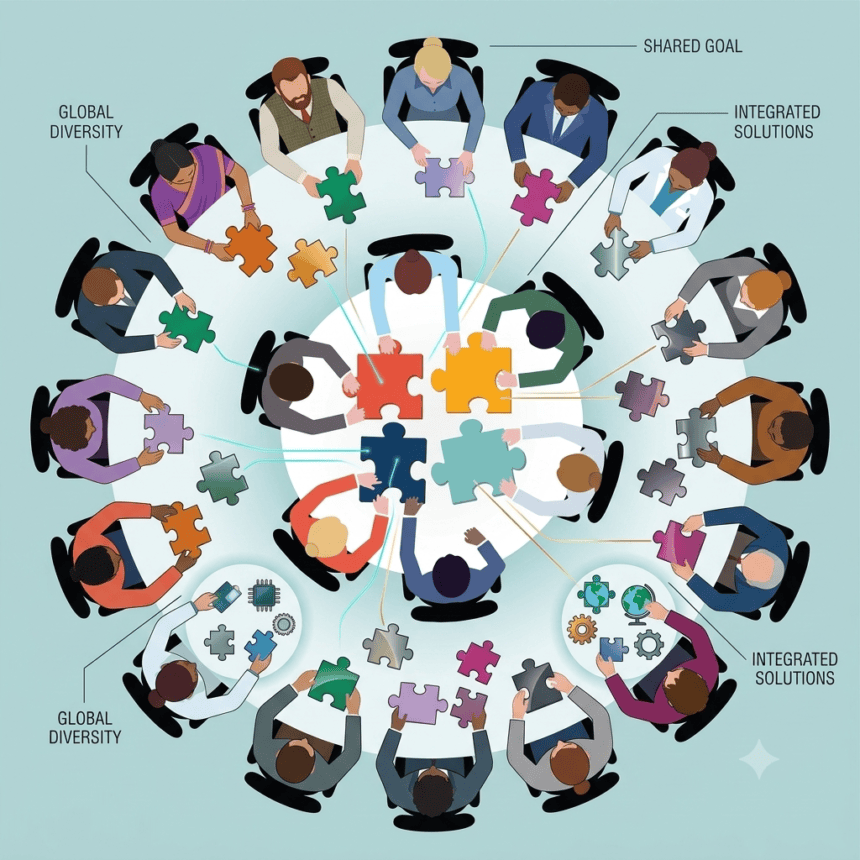
A practical knowledge corridor between Pakistan and Iran would rest on four distinct pillars. First, the mobilization of a competitive joint fund for applied research in lawful, non-sanctioned sectors like water efficiency and climate-resilient agriculture. Second, the deployment of university-led innovation clinics to aid small and medium-sized enterprises (SMEs) with product testing and digital accounting. Third, a standardized system for recognizing academic credits and professional qualifications, and fourth, leveraging Chabahar and the coastal Balochistan region as learning laboratories for the blue economy. With Pakistan currently scoring a low 0.41 on the World Bank’s Human Capital Index, syncing its software and agricultural capabilities with Iran’s deep expertise in engineering and nanotechnology offers a pragmatic route toward building high-value border stability.