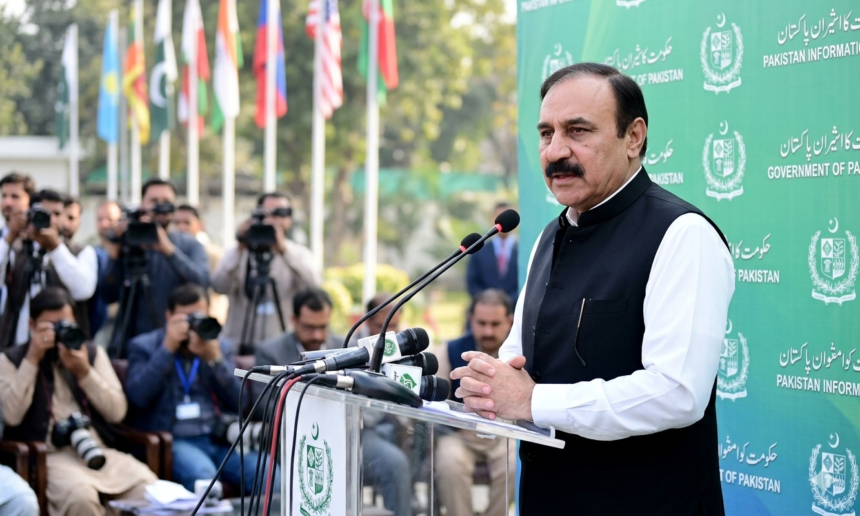
Pakistan’s federal budget for the upcoming fiscal year will likely be presented on June 12, Finance Minister Muhammad Aurangzeb indicated during a recent briefing. The government is racing to finalize revenue targets and expenditure plans under the shadow of ongoing negotiations with the International Monetary Fund.
The date marks a tight turnaround for the administration. With the fiscal year closing on June 30, the finance team has little room for error. Failure to pass the budget before the deadline would trigger a constitutional crisis, leaving the state without the legal authority to collect taxes or release funds for public services.
Aurangzeb’s announcement comes as the government grapples with a precarious economic landscape. Inflation remains a persistent headache for the average household, while the primary surplus targets set by the IMF remain a strict condition for further bailouts.
“We are looking at June 12,” the minister told reporters, confirming that the Finance Division is working double shifts to bridge the gap between tax collection realities and spending requirements. He declined to comment on specific tax hikes, though analysts expect a heavy focus on widening the tax base to satisfy international lenders.
The business community is watching the timeline closely. For industry leaders, the June 12 date is less about the ceremony and more about the policy shifts that follow. Previous budgets have often been criticized for shifting tax burdens onto existing payers rather than bringing the massive informal economy into the fold.
If the government hits this target, the National Assembly will have roughly two weeks to debate, amend, and pass the Finance Bill. It’s a compressed schedule that leaves little room for meaningful legislative scrutiny, a point of contention for opposition benches who have already signaled their intent to challenge the government’s fiscal priorities.
The pressure is now on the Finance Ministry to deliver a budget that balances the demands of the IMF with the survival of a fragile domestic economy. Whether this timeline holds—or slips—will be the first true test of the current economic team’s political capital.