Health experts are emphasizing that successful cancer treatment depends on comprehensive care and emotional support, not just advanced medical technology. While innovations such as artificial intelligence, precision medicine, robotic surgery, and targeted therapies have improved cancer diagnosis and treatment, specialists say patients also need psychological, social, nutritional, and palliative support throughout their cancer journey.
Doctors note that cancer affects every aspect of a person’s life, including mental health, family relationships, employment, and financial stability. Anxiety, depression, fear of recurrence, and treatment-related stress are common among cancer patients and can influence recovery and quality of life.
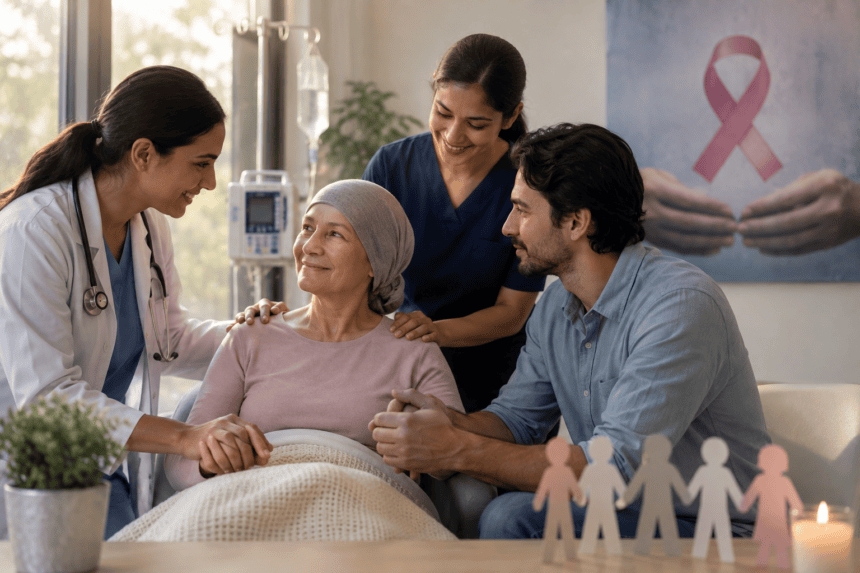
Experts are calling for a patient-centered approach in which oncologists, nurses, psychologists, nutritionists, physiotherapists, and social workers work together to provide coordinated care. Such an approach can help patients manage symptoms, maintain strength during treatment, and make informed decisions about their care.
Palliative care is also being highlighted as an important component of comprehensive cancer treatment. Specialists say it should not be limited to end-of-life care but should be introduced early to help control pain, fatigue, nausea, and other treatment-related side effects.
Researchers and healthcare organizations stress that access to modern technology remains important, but technology alone cannot meet all patient needs. Compassionate communication, family support, counseling services, and community resources are equally essential for improving outcomes and preserving dignity during treatment.
The message from cancer specialists is clear: the future of oncology should combine medical innovation with human-centered care, ensuring that patients receive not only the best available treatment but also the support needed to live as well as possible during and after cancer therapy.