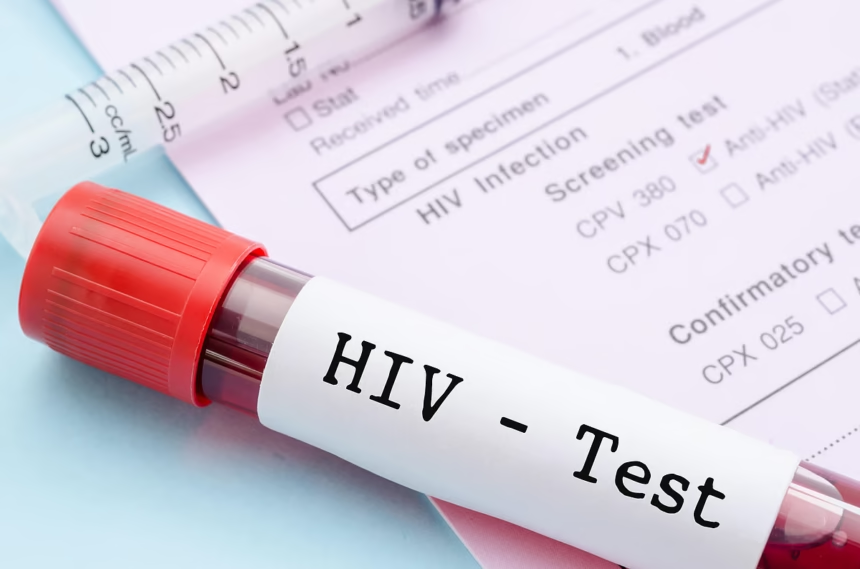
Citizens have been urged to improve their understanding of HIV transmission and prevention as health officials warn that myths and misconceptions continue to fuel stigma and discrimination against people living with the virus.
An official of the Common Management Unit (CMU), Ministry of National Health Services, Regulations and Coordination, emphasized that public awareness and accurate information are essential to preventing the spread of HIV.
The official clarified that HIV does not spread through casual contact, including handshakes, hugging, sharing food, using common toilets or sitting alongside an infected person.
He explained that the virus can spread through unprotected sexual contact, contaminated needles and syringes, infected blood, and from an HIV-positive mother to her child during pregnancy, childbirth or breastfeeding.
Citizens were advised to avoid sharing needles, ensure blood is properly screened before transfusions and seek timely HIV testing to know their status.
The official also stressed that HIV is a manageable condition, with antiretroviral therapy (ART) enabling people living with the virus to lead healthy and productive lives.
He called for collective efforts to replace misinformation with scientific facts and ensure dignity, awareness and equal access to healthcare for everyone.