India successfully interrupted wild poliovirus transmission more than 15 years ago, while Pakistan continues to face challenges in eliminating the disease, highlighting the need for stronger vaccination efforts and public awareness.
According to a recent report, India recorded its last wild poliovirus case in January 2011 and was officially declared polio-free by the World Health Organization (WHO) in March 2014.
Pakistan and neighbouring Afghanistan remain the only two countries where wild poliovirus continues to circulate, despite years of vaccination campaigns and international support.
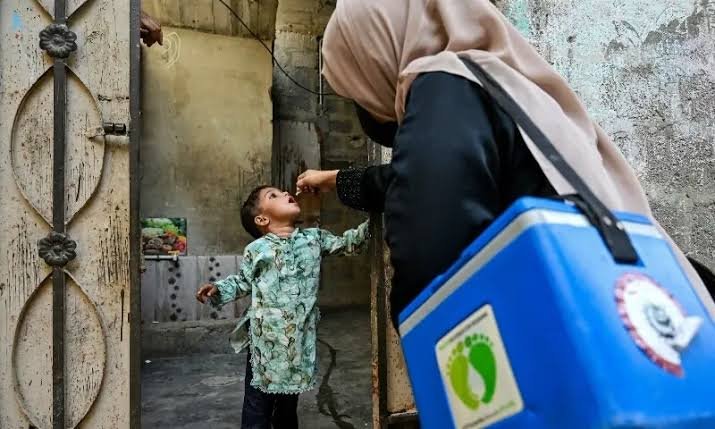
Public health experts say Pakistan’s polio eradication efforts require greater focus on reaching children who repeatedly miss vaccination, strengthening public trust and improving accountability across the immunisation programme.
Experts have identified several challenges, including population movement, security concerns, uneven routine immunisation coverage and vaccine hesitancy. Misinformation and distrust in certain communities have also contributed to refusals during vaccination campaigns.
India’s success is attributed to sustained immunisation drives, effective disease surveillance, community engagement and coordinated efforts by health authorities and international organisations.
Health specialists have stressed that repeated vaccination campaigns alone may not be sufficient unless authorities address the underlying reasons why children remain unvaccinated.
They have also called for stronger coordination between Pakistan and Afghanistan to monitor cross-border transmission and ensure that children in vulnerable communities receive timely immunisation.
Experts emphasised that reaching every child with polio vaccines, improving surveillance and building community confidence remain essential to eliminating the virus from Pakistan.