
September 22, 2025
Web desk
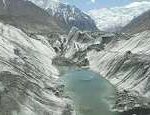
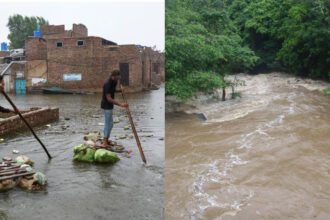
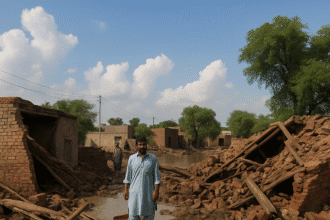
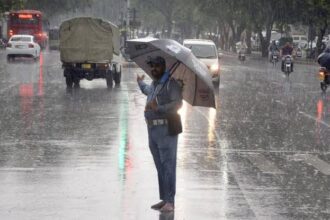
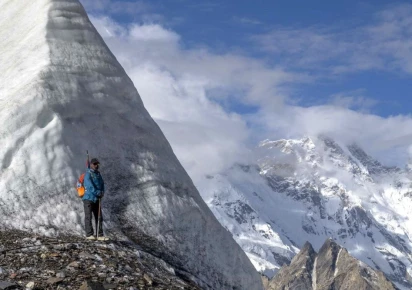
Pakistan’s iconic northern peaks, once a global hotspot for climbers, are witnessing a dramatic collapse in tourism this year. According to the Alpine Club of Pakistan, foreign arrivals in Gilgit-Baltistan have dropped nearly 90%, with only 270 climbers attempting expeditions compared to more than 2,000 last year. Harsh weather, including avalanches and rockfalls, forced many to abandon their climbs, while recent floods across the country have added to the uncertainty.
Karrar Haidri, vice president of the Alpine Club, said the crisis stems not only from weather but also from regional conflicts and higher climbing fees. “Apart from rains and floods, the wars and an increase in fees also contributed to the decline,” he noted, referring to the recent Pakistan-India clash in May and the Iran-Israel conflict in June. This season, only 40 climbers summited K2, with smaller numbers reaching Nanga Parbat and Gasherbrum I.
The decline has devastated local livelihoods in Gilgit-Baltistan, where tourism fuels the economy. Hotel owners, shopkeepers, and especially porters have been left without work. Veteran high-altitude porter Ashraf Ali Raza Sadpara said this was the first season since the COVID-19 ban in 2020 where he had no expeditions. “Usually, we’re overloaded with offers. But this season turned into a nightmare,” he explained.
Adding to the frustration, the government sharply increased climbing permit fees — doubling the K2 fee from $1,750 to $3,500, while other major peaks jumped from $1,000 to $2,500. Officials defend the move as a step to protect the fragile mountain environment, citing Nepal’s much higher Everest fee of $15,000. But expedition operators argue the timing has pushed climbers away and left the industry in crisis, with many questioning whether Pakistan can balance mountain conservation with the survival of its struggling tourism economy.