With Eidul Adha expected around May 27, 2026 in Pakistan, health authorities have begun sounding the alarm over a familiar but dangerous seasonal threat: Crimean-Congo haemorrhagic fever, commonly called Congo virus. The National Institutes of Health has issued a fresh warning saying the risk rises sharply before Eid because of heavier movement of sacrificial animals, more time spent in cattle markets, and closer human contact with livestock during transport, handling and slaughter.
The concern is not abstract. According to reporting on the 2026 NIH warning, Pakistan recorded 82 confirmed CCHF cases and 20 deaths in 2025, pushing the fatality rate above 24 percent. That’s a worrying jump from the 61 confirmed cases reported in 2024 in the NIH’s previous advisory, which had already flagged Eid-related animal exposure as a major transmission window.
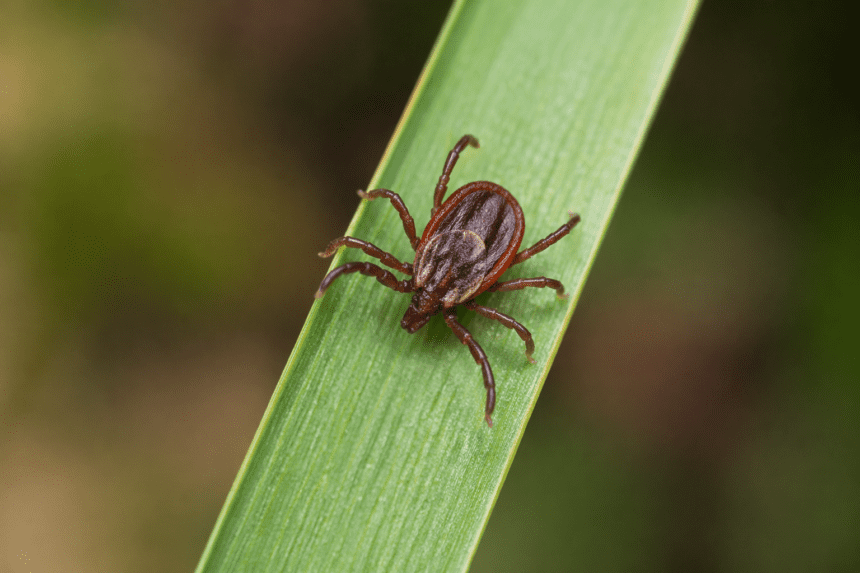
The science behind the warning is pretty clear. The World Health Organization says CCHF spreads to people mainly through tick bites or through contact with the blood and tissues of infected animals, especially during and immediately after slaughter. That is exactly why Eidul Adha becomes such a sensitive period for health officials every year: more animals are transported across provinces, more temporary livestock markets appear, and more people who do not normally work with animals suddenly find themselves handling them up close.
The NIH advisory, as reflected in multiple reports this month, urges provincial health departments, hospitals and local administrations to stay on alert. The guidance focuses on practical prevention rather than panic: use gloves and protective clothing when handling animals, avoid crushing ticks with bare hands, keep animals treated with anti-tick sprays where possible, and maintain extra caution in cattle markets and slaughter areas. Hospitals have also been told to remain vigilant because human-to-human transmission can happen through contact with infected blood or bodily fluids.
There is also a quiet but important message underneath all this: Congo virus is not just a rural livestock issue anymore. It tends to surface in urban centers too, especially when animals are brought into densely populated neighborhoods ahead of Eid. That yearly mix of faith, commerce, travel and home slaughter creates the kind of conditions public health teams worry about most. Officials are essentially trying to get ahead of that curve before the rush peaks.
For families preparing for qurbani, the official advice is straightforward. Buy animals from monitored markets where possible, avoid direct contact with blood and animal waste, make sure children stay away from slaughter sites, and seek medical help quickly if anyone develops high fever, muscle pain, bleeding symptoms, or sudden severe illness after animal exposure or a tick bite. There is no vaccine widely available for people, which makes prevention and early detection far more important.
This year’s warning lands as a reminder of something Pakistan has heard before but can’t really afford to ignore: Eidul Adha brings celebration, sacrifice and movement on a massive scale, and that same movement can also open a window for infection. The government’s message, at least for now, is simple — enjoy the festival, but treat livestock handling as a public health risk, not a routine chore.