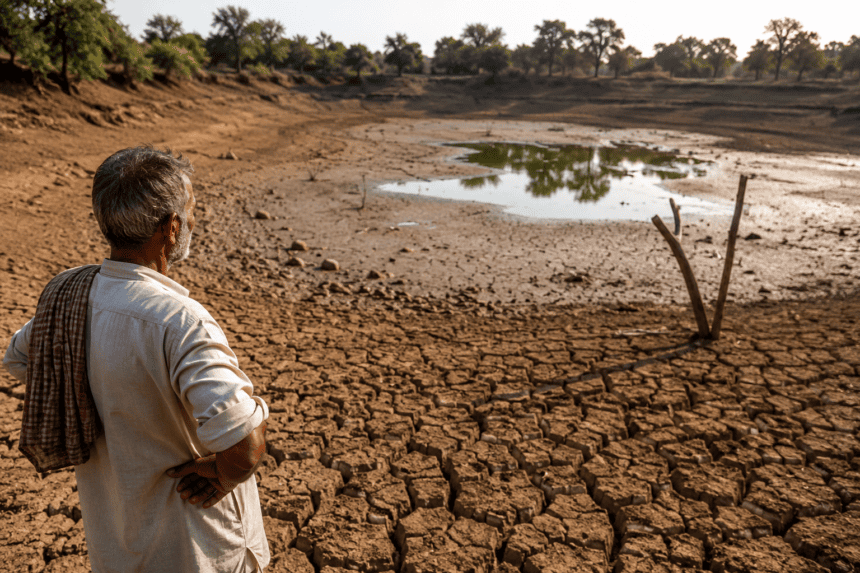
The water line at Miller’s Pond has retreated nearly 30 feet from the shoreline, exposing cracked, sun-baked earth where bluegill and bass once thrived. For Jim Halloway, a local resident who has lived on the property since 2007, the sight is more than just a seasonal shift.
“I have never seen the pond so low in 17 years,” Halloway said, gesturing toward the parched basin. “We usually have a buffer of ten feet before the mud hits. Now, it’s just dust.”
The drop is part of a broader hydrological crisis hitting the county. Rainfall metrics from the National Weather Service show the region has received only 40% of its expected precipitation since early spring. The lack of runoff has forced local farmers to tap into emergency groundwater reserves, further straining an already depleted aquifer.
Economic pressure is mounting. The local irrigation board met Wednesday to discuss emergency restrictions, hinting at a potential ban on all non-essential water usage starting Monday. If the drought persists, those restrictions could harden into fines for residential lawns and secondary commercial water users.
The environmental toll is already visible. Conservationists report a spike in fish kills as oxygen levels plummet in the stagnant, shallow pools. Without a significant storm system moving through the corridor within the next two weeks, experts fear the ecosystem may take years to recover.
Halloway isn’t holding his breath for relief. He spends his mornings checking the depth gauge—a ritual that has become increasingly grim as the marker inches closer to the exposed bed.
“The rain clouds keep splitting around the valley,” he said. “It’s like we’re being skipped over entirely.”