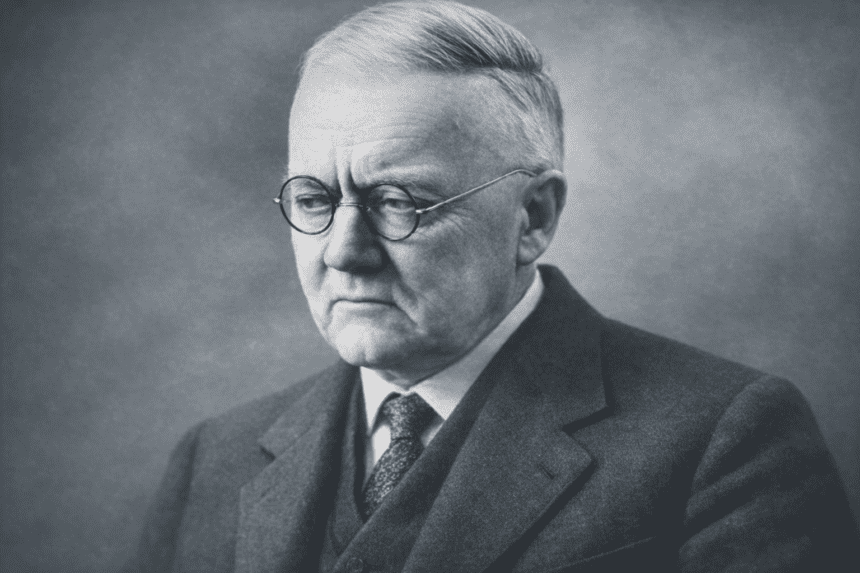
By then, Öpik was no ordinary refugee. He had built a formidable reputation in astronomy through work in Tartu, Tashkent, and at Harvard, where he had earned international respect for research on meteors, stellar structure, and the solar system. In other words, he arrived in postwar Europe as a displaced person, but also as one of the most accomplished astronomers of his generation.
In Germany, Öpik did not simply wait for events to settle. He became involved with the Baltic University, a remarkable institution created for displaced students and scholars from Estonia, Latvia and Lithuania. Sources describe him as a professor of astronomy there and, in some accounts, rector for the Estonian section. It was an improvised academic world, built amid refugee life, but it kept both scholarship and community alive.
The Armagh connection came through Eric Mervyn Lindsay, the energetic director of Armagh Observatory. Lindsay knew Öpik professionally; one account says Öpik had even served as one of Lindsay’s PhD examiners at Harvard. When the future of the Baltic University came under threat, Lindsay moved fast and secured support from the Northern Ireland government to create a special research post for Öpik in Armagh. That opened the door.
So in 1948, Öpik arrived in Armagh as a refugee scholar from Eastern Europe and began the second half of his scientific career there. What might have looked, on the surface, like an unlikely ending in a small Northern Irish city was really the result of two forces meeting at once: the violent dislocation of war, and the determination of one observatory director to bring world-class science to Armagh.
And that move mattered. Öpik stayed associated with Armagh for decades and became one of the most distinguished figures in its history. His work helped cement the observatory’s international standing, turning a wartime exile into one of Armagh’s most notable scientific names.
In the simplest terms, then: Öpik ended up in Armagh because he fled the returning Soviet forces in Estonia, rebuilt his life in refugee academia in Germany, and was then recruited to Armagh Observatory by Eric Lindsay in 1948.