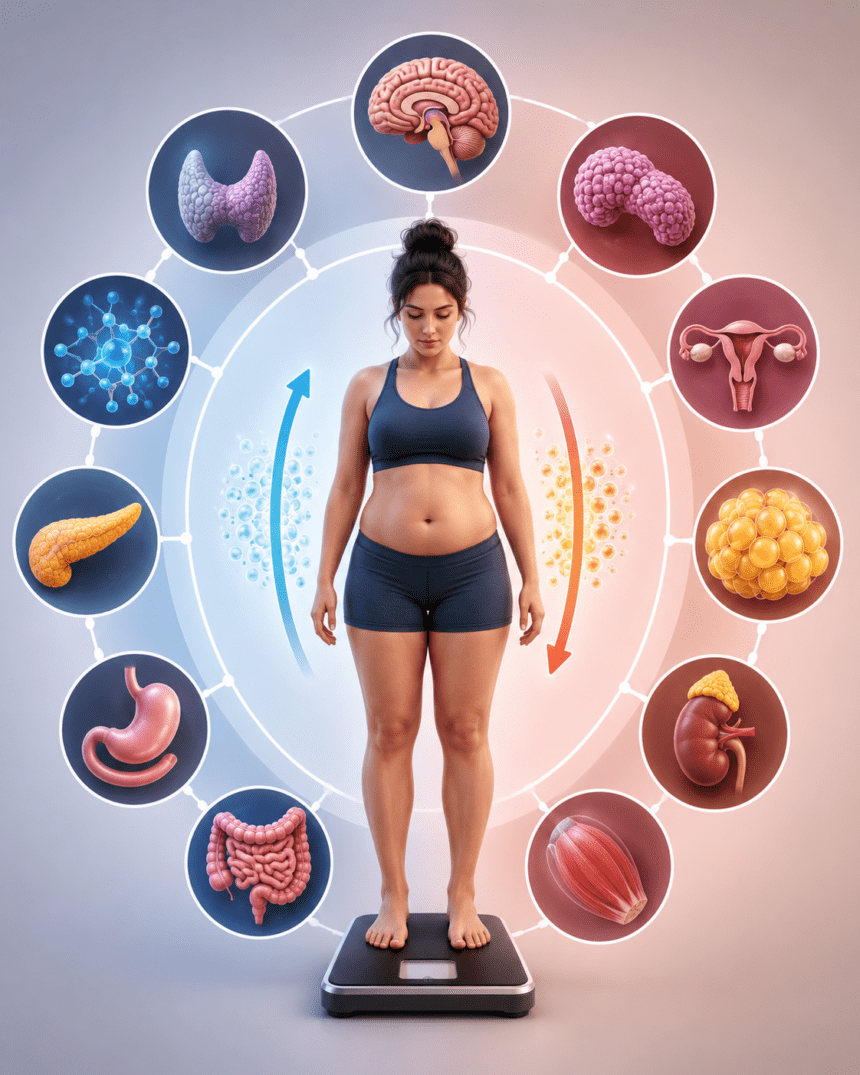
When people think about weight gain or weight loss, they often focus on diet and exercise. While these factors are important, hormones also play a major role in regulating body weight, metabolism, appetite, and fat storage. Even small hormonal imbalances can affect how the body uses energy and may make it easier to gain weight or harder to lose it.
Understanding the relationship between hormones and weight can help individuals make informed decisions about their health and recognize when medical advice may be needed.
What Are Hormones?
Hormones are chemical messengers produced by glands in the endocrine system. They travel through the bloodstream and help regulate numerous bodily functions, including:
- Metabolism
- Hunger and fullness
- Blood sugar levels
- Fat storage
- Energy use
- Growth and development
- Reproductive health
When hormone levels become unbalanced, various health issues, including weight changes, can occur.
Insulin and Weight Gain
Insulin is a hormone produced by the pancreas that helps regulate blood sugar levels. After eating, insulin helps move glucose from the bloodstream into cells where it can be used for energy.
When the body becomes resistant to insulin, glucose remains in the bloodstream, causing the pancreas to produce more insulin. High insulin levels may encourage the body to store more fat, particularly around the abdomen.
Healthy eating habits, regular exercise, and maintaining a healthy weight can help improve insulin sensitivity.
Leptin: The Fullness Hormone
Leptin is produced by fat cells and signals to the brain when the body has enough stored energy.
In some individuals, particularly those with obesity, the brain may become less responsive to leptin’s signals, a condition known as leptin resistance. As a result, the body may continue to feel hungry despite having adequate energy stores.
This can contribute to overeating and difficulty losing weight.
Ghrelin: The Hunger Hormone
Ghrelin is often called the “hunger hormone” because it stimulates appetite.
Ghrelin levels typically rise before meals and decrease after eating. Lack of sleep, stress, and certain dietary patterns can increase ghrelin levels, making a person feel hungrier and potentially leading to increased calorie intake.
Cortisol and Stress-Related Weight Gain
Cortisol is known as the body’s primary stress hormone.
During periods of chronic stress, elevated cortisol levels may:
- Increase appetite
- Promote cravings for sugary and high-calorie foods
- Encourage fat storage, especially around the abdomen
Managing stress through exercise, relaxation techniques, and adequate sleep may help support healthy cortisol levels.
Thyroid Hormones and Metabolism
The thyroid gland produces hormones that regulate metabolism.
When the thyroid is underactive (hypothyroidism), metabolism can slow down, leading to:
- Weight gain
- Fatigue
- Cold intolerance
- Reduced energy levels
Conversely, an overactive thyroid may cause unintended weight loss. Thyroid disorders require proper medical evaluation and treatment.
Estrogen and Weight Changes
Estrogen influences body fat distribution and metabolism.
Hormonal fluctuations during:
- Puberty
- Pregnancy
- Perimenopause
- Menopause
can contribute to weight changes and shifts in where fat is stored, particularly around the hips, thighs, and abdomen.
Testosterone and Body Composition
Testosterone helps maintain muscle mass and supports fat metabolism.
Low testosterone levels in men may contribute to:
- Increased body fat
- Reduced muscle mass
- Lower energy levels
Because muscle burns more calories than fat, changes in muscle mass can affect overall metabolism.
Sleep Hormones and Weight
Poor sleep can disrupt several hormones involved in appetite regulation, including leptin and ghrelin.
Insufficient sleep may:
- Increase hunger
- Reduce feelings of fullness
- Promote unhealthy food choices
- Affect metabolism
Most adults should aim for 7–9 hours of quality sleep per night.
Can Hormonal Imbalances Cause Weight Problems?
Yes. While lifestyle habits remain important, hormonal disorders can make weight management more difficult.
Signs that hormones may be contributing to weight changes include:
- Sudden unexplained weight gain
- Persistent fatigue
- Changes in appetite
- Irregular menstrual cycles
- Hair loss
- Mood changes
- Difficulty losing weight despite healthy habits
Anyone experiencing these symptoms should consult a healthcare professional for proper evaluation.
Supporting Healthy Hormone Function
Several lifestyle habits can help support hormonal balance:
- Eat a balanced diet rich in whole foods
- Exercise regularly
- Get adequate sleep
- Manage stress effectively
- Maintain a healthy weight
- Attend regular medical checkups
These habits support overall health and may improve hormone regulation.
Final Thoughts
Hormones play a powerful role in determining how the body stores fat, regulates appetite, and uses energy. While diet and exercise remain key components of weight management, hormonal factors can significantly influence results.
Understanding how hormones affect weight can help individuals take a more comprehensive approach to health and seek medical guidance when necessary. By supporting hormonal balance through healthy lifestyle choices, it is possible to improve both weight management and overall well-being.