Any optimism around the Strait of Hormuz eased fast on April 18, 2026, when Iran’s military said it had restored the waterway to its earlier, more restrictive status. In a statement carried by AP’s live coverage, Tehran said control of the strait had returned to its previous condition under the armed forces’ “strict management and control.” That was a sharp reversal from the previous day’s message that the strait was open to commercial shipping.
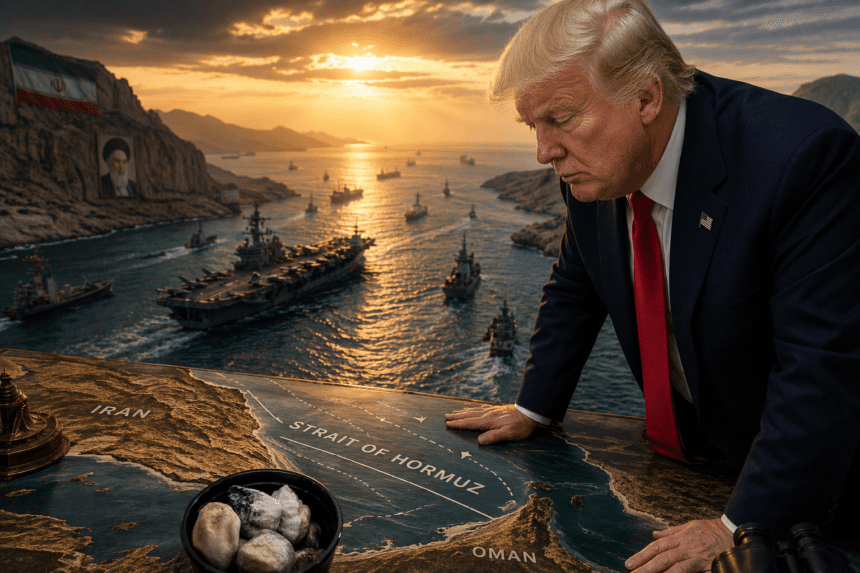
The immediate trigger appears to have been Washington’s refusal to ease pressure. AP reported that the Iranian move came after President Donald Trump said the U.S. blockade on Iranian-linked shipping and ports would remain in full force until Tehran agreed to a broader deal, including terms related to its nuclear program. Iran is now making clear that, as long as that blockade stays in place, transit through Hormuz will not return to normal either.
That matters because Iran is not just using symbolic language. According to AP, a senior Iranian lawmaker said only commercial vessels authorized by the Revolutionary Guard would be allowed through, and that ships would have to pay the required tolls while using a route designated by Iran. That suggests Tehran is trying to convert military leverage into a formalized system of conditional passage rather than a simple open-or-closed posture.
So the headline is really about a renewed tightening, not a peace breakthrough. One day earlier, Iran had said the strait was “completely open” to commercial vessels, a move that briefly lifted hopes for talks and helped calm oil markets. Now the message is different: access is conditional, tightly managed, and explicitly linked to the larger confrontation with the United States.
The larger diplomatic picture remains messy. AP says the conflict is tied to unresolved issues that go beyond navigation alone, including Iran’s nuclear program and the wider terms of a possible agreement with Washington. At the same time, recent reporting says Iran’s earlier opening of Hormuz was tied in part to a fragile Israel-Hezbollah truce, which means the maritime question is entangled with a much wider regional crisis.
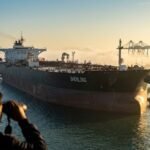
The economic stakes are enormous. The Strait of Hormuz is a crucial chokepoint for global energy flows, with AP noting that around one-fifth of the world’s oil supply passes through it. That is why even partial restrictions, new toll demands, or route controls can quickly rattle markets and raise fears of another energy shock.
For now, the situation looks less like de-escalation and more like coercive bargaining at sea. Iran has not fully slammed the door shut, but it is plainly signaling that Hormuz will stay under pressure unless the U.S. changes course on the blockade. The waterway is still central to any diplomatic off-ramp. It is also still one of the most dangerous pressure points in the conflict.