
ISR@AEL is facing mounting isolation worldwide as the war in Gaza deepens, with pressure spreading beyond diplomacy into trade, culture, and sports.
The latest blow came after a United Nations inquiry accused Israel of committing genocide in Gaza an allegation rejected by the Israeli government but echoed by rights groups. Several Western countries, including Canada, France, and the UK, also formally recognized a Palestinian state during the UN General Assembly this week, signaling Israel’s diplomatic support is shrinking.
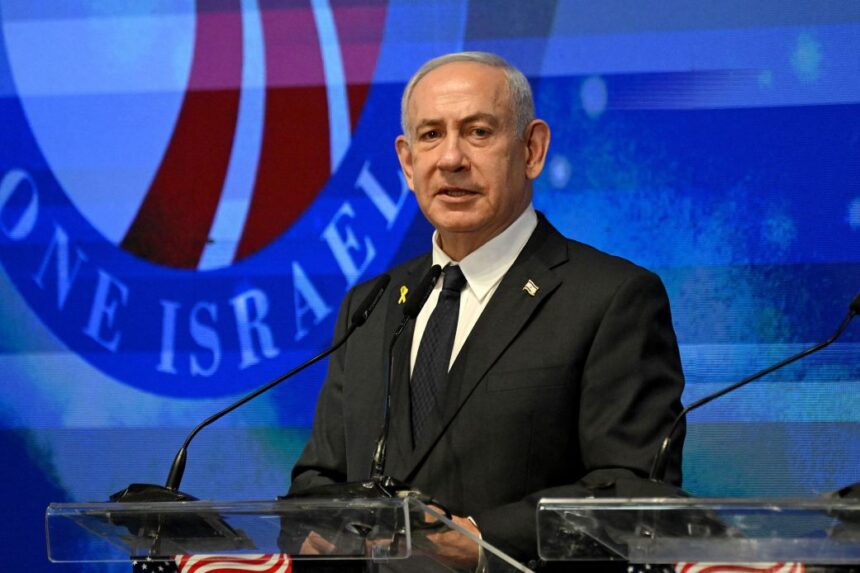
Economic ties are already under strain. The European Union, Israel’s largest trading partner, has proposed partial suspension of its free trade agreement. Norway’s sovereign wealth fund announced divestments from Israeli holdings, while France, Italy, Spain, and the UK have joined arms embargoes. Israeli Prime Minister Benjamin Netanyahu admitted the country is entering a “kind of isolation,” warning Israel may need to rely more on its own defense industry and domestic economy.
Cultural backlash is rising too. Broadcasters in Ireland, Spain, and the Netherlands have threatened to boycott the 2026 Eurovision Song Contest if Israel participates. Major festivals in Europe canceled performances involving Israeli artists, and thousands of Hollywood stars, including Olivia Colman and Emma Stone, pledged not to work with Israeli film institutions.
Sports are also caught up in the protest wave. Pro-Palestinian demonstrations forced the cancellation of a cycling race featuring an Israeli team, Spanish organizers banned Israeli chess players from competing under their flag, and UEFA has faced calls to suspend Israel from European football. Even high-profile athletes, such as Liverpool star Mohamed Salah, have spoken out for Gaza.
Analysts are now comparing Israel’s situation to South Africa during apartheid, when global boycotts in trade, sports, and culture forced political change. The Palestinian-led Boycott, Divestment, Sanctions (BDS) movement, once seen as fringe, has gained renewed momentum since the war began.
Meanwhile, Netanyahu’s freedom of movement is restricted by an International Criminal Court arrest warrant for alleged war crimes, forcing him to avoid European airspace en route to the UN summit in New York.
Despite the growing tide of condemnation, the United States continues to stand firmly by Israel. Washington insists the partnership remains strong, even while expressing unease over some of Israel’s actions.
The central question now is whether Israel’s deepening isolation will be short-lived ending with the war or a new government or whether it signals a lasting shift in its place on the world stage.