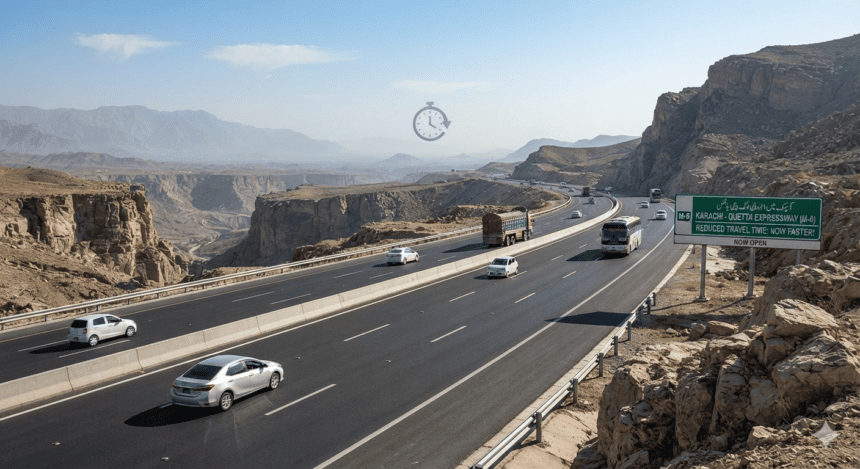
Travelers between Karachi and Quetta will soon trade a grueling 15-hour commute for a six-hour drive. The National Highway Authority (NHA) has accelerated work on the M-8 motorway, a project designed to finally bridge the economic divide between the port city and Balochistan’s provincial capital.
For years, the N-25 highway—often dubbed the “Killer Highway”—has been the only artery connecting these hubs. It’s a single-lane death trap plagued by blind curves, heavy freight traffic, and a staggering frequency of fatal accidents. The M-8 aims to replace this volatility with a controlled-access, dual-carriage expressway.
The shift isn’t just about convenience. It’s about trade.
Currently, goods trucks from the Karachi port take nearly a full day to reach Quetta, often suffering mechanical breakdowns on the N-25’s deteriorating surface. By cutting travel time by more than half, the NHA expects to slash logistics costs, potentially lowering the price of fuel and consumer goods in Balochistan.
“We are looking at a fundamental change in how the province connects to the rest of the country,” a senior NHA official said, speaking on the condition of anonymity as he wasn’t authorized to discuss the final project timeline. “This isn’t just tarmac; it’s the primary lifeline for the region’s economy.”
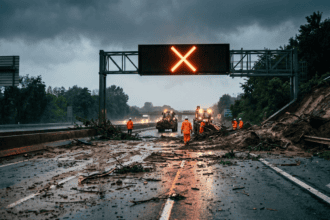
Construction has faced repeated delays since the project’s inception, stalled largely by the rugged terrain of the Khuzdar district and persistent security concerns. The current phase, however, has cleared the most difficult mountainous segments, according to recent field reports from the site. Contractors have mobilized additional machinery to meet the revised 2025 completion targets, focusing on the stretch between Hoshab and Khuzdar.
While the project promises a massive upgrade, questions remain regarding the toll infrastructure and the integration of secondary roads that feed into the expressway. The government has yet to announce a formal opening date for the final completed sections, leaving thousands of daily commuters to navigate the existing, dangerous route for at least a few more months.
When the last barrier is lifted, the M-8 will do more than save time. It will end the isolation that has hampered the region’s development for far too long.