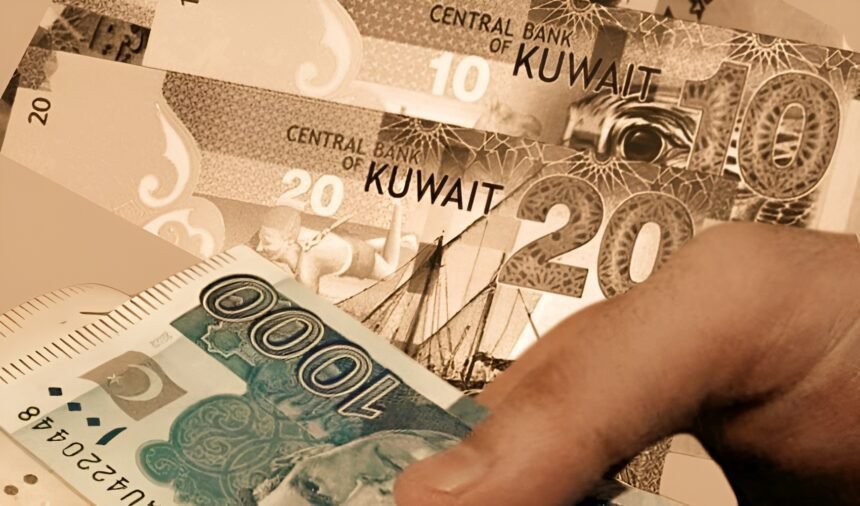
The Kuwaiti Dinar surged in early trading today, May 14, 2026, pushing the exchange rate against the Pakistani Rupee to a new peak. Money changers in Karachi and Lahore are quoting the Dinar at approximately 918.50 PKR, marking a sharp climb from last week’s closing figures.
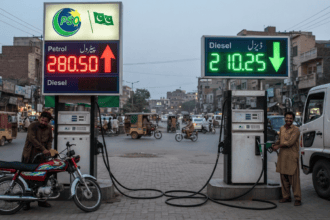
For the average Pakistani household, the math is bruising. Remittances from the Gulf remain a primary lifeline for thousands of families, but the widening gap means that while the face value of transferred currency looks higher, the purchasing power at home continues to shrink under the weight of sustained domestic inflation.
Exchange companies attribute the spike to a combination of tightening liquidity in the interbank market and a persistent demand for foreign currency by importers. With the State Bank of Pakistan maintaining a cautious stance on reserves, traders are betting on further volatility.
“The market is reacting to supply constraints, not just speculation,” said a senior currency dealer in Karachi’s I.I. Chundrigar Road. He noted that banks have become increasingly selective in clearing large-scale transactions, leaving the open market to absorb the pressure.
The disparity between the official interbank rate and the open market rate has also widened, creating a headache for overseas Pakistanis looking to send money through formal banking channels. Many are opting for informal avenues to secure better rates, a trend that typically complicates the central bank’s efforts to document inflows.
Economists tracking the trend suggest that unless there is a significant boost in export earnings or a fresh injection of foreign investment to stabilize reserves, the Rupee will remain on the defensive. The Dinar’s performance is acting as a barometer for broader currency weakness, leaving little room for optimism among those who rely on the strength of the local currency for daily survival.
As the trading day concludes, the trend suggests the Dinar’s upward trajectory is far from exhausted. For now, the cost of doing business—and the cost of living—is set to rise in lockstep with the exchange board.