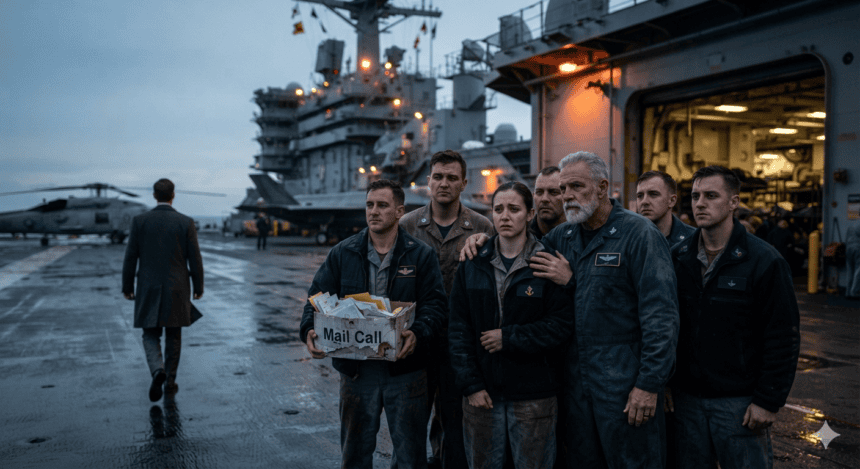
A grueling nine-month deployment for the USS Abraham Lincoln carrier strike group has triggered a formal inquiry from Capitol Hill, as reports of severe crew fatigue and equipment strain reach lawmakers.
The strike group, which recently returned to port, spent an extended period in the Middle East and Indo-Pacific regions. While the Navy maintains that the mission was essential for regional stability and deterrence, the human cost of the record-setting rotation has become a point of contention for the House Armed Services Committee.
“We are pushing our sailors and our ships past the point of sustainable operations,” a congressional aide familiar with the inquiry said. The committee is now requesting internal logs detailing crew rest cycles, maintenance backlogs, and mental health incident reports gathered during the final three months of the deployment.
The strain on the crew is only half the story. Extended time at sea accelerates the wear and tear on carrier hulls and flight deck equipment, which are already operating on tight maintenance schedules. Keeping the ship in the theater for months beyond the standard six-month rotation creates a “maintenance debt” that, according to defense analysts, can take years to recover from in dry dock.
Navy leadership often describes these long-duration deployments as necessary responses to evolving global threats. However, critics argue that the reliance on carrier strike groups to fill gaps in regional presence is wearing out the fleet faster than the Pentagon can replace or repair it.
The inquiry follows a broader trend of concern regarding the Navy’s operational tempo. With the Pentagon struggling to balance a limited number of carriers against demands from multiple combatant commanders, the crew of the USS Abraham Lincoln serves as a primary example of the current system’s limitations.
The Navy has yet to provide a full breakdown of the specific medical or readiness challenges faced during the voyage. For now, the ship remains in port, but the debate over whether the military is overextending its most valuable assets is only just beginning.