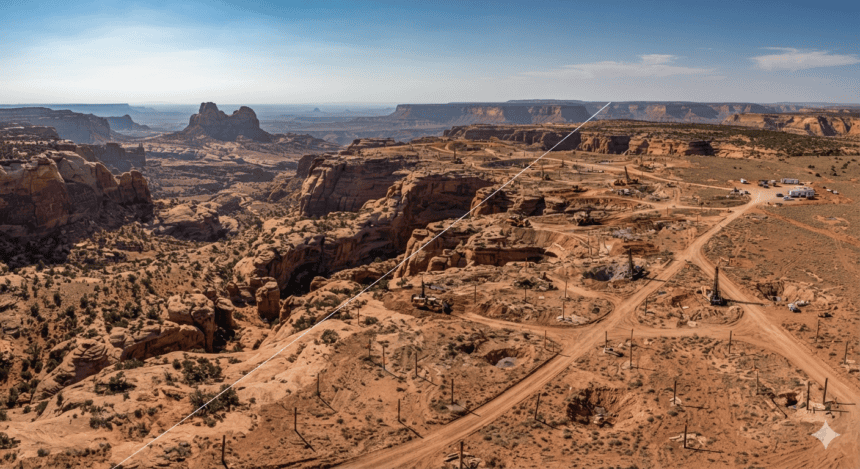
Mining companies have filed hundreds of new claims on public lands excised from the Bears Ears and Grand Staircase-Escalante national monuments. The surge in activity follows the 2017 boundary reductions ordered by the Trump administration, which stripped federal protections from over two million acres of Utah wilderness.
Data from the Bureau of Land Management shows that mining interests moved quickly once the legal barriers dropped. While the Biden administration restored the original boundaries in 2021, the legal status of claims filed during the interim remains a point of intense friction between conservationists and the extractive industry.
The claims mostly target uranium and vanadium, metals critical for both nuclear energy and high-capacity batteries. For mining firms, the math is simple: the land is rich in mineral deposits, and the regulatory hurdle of a national monument designation is the highest barrier they face.
“These lands were protected because of their cultural and ecological significance, not their mineral wealth,” says a spokesperson for a coalition of conservation groups. “When you open the door, even for a few years, the industry rushes in to stake their ground. It’s a race to prioritize extraction over preservation.”
The conflict centers on the “valid existing rights” doctrine. Under federal law, if a mining claim was validly staked and the locator can demonstrate a “valuable mineral deposit” before the land is withdrawn from mineral entry, the claim may hold. This creates a legal gray area that could tie up these lands in federal court for years.
The Department of the Interior now faces the task of auditing these claims. Many are likely to be dismissed as speculative, but others may meet the threshold for development, potentially forcing the government to allow mining operations inside the restored monument boundaries.
For local communities, the debate is split. Some residents see mining as a vital economic lifeline in a region where jobs are scarce. Others argue that the long-term value of the monuments—anchored in tourism and the preservation of ancestral Puebloan sites—far outweighs the short-term gains of a boom-and-bust mining cycle.
As the legal battles proceed, the land itself remains in limbo. The monuments were restored on paper, but the stakes in the ground serve as a reminder that federal protections are only as permanent as the next administration’s executive order.