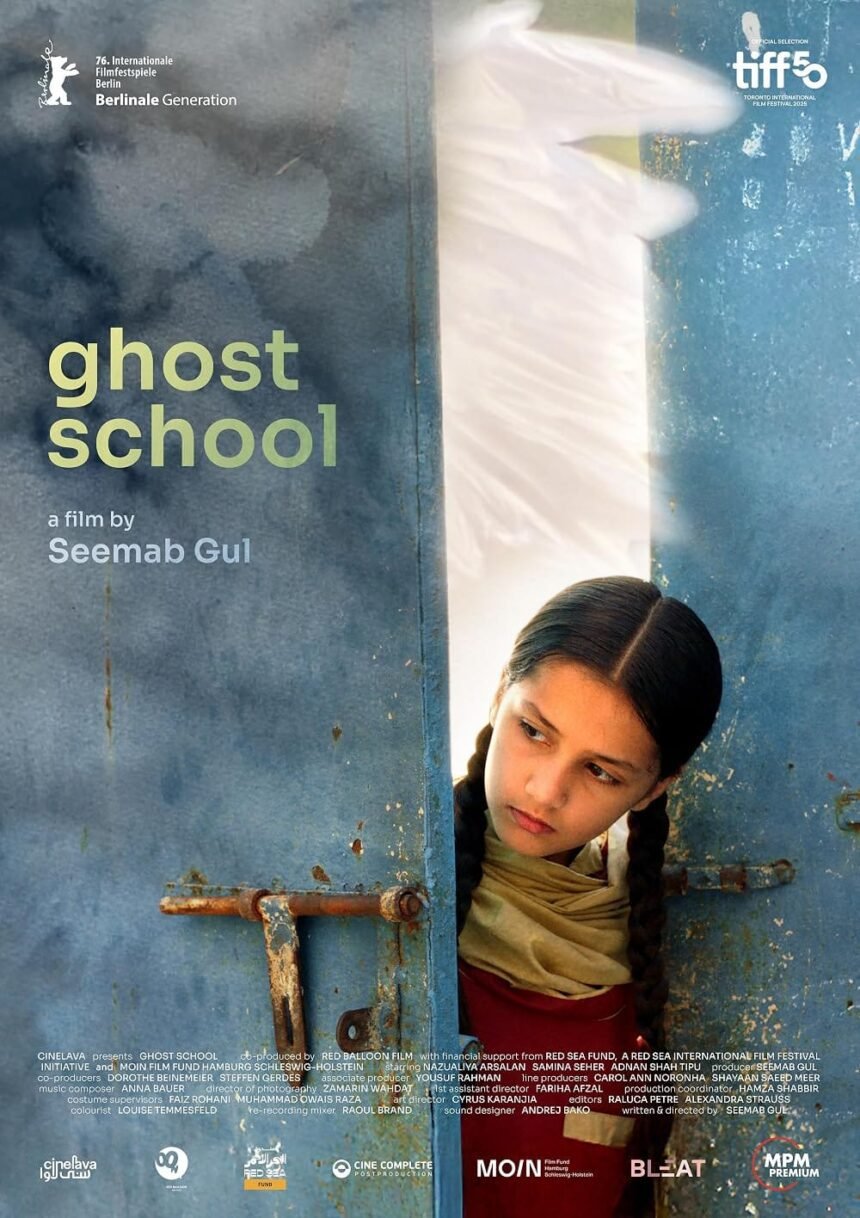
The Pakistani film, directed by Seemab Gul, is moving closer to its theatrical release following a legal development concerning its screening in Sindh.
KARACHI: Pakistani film Ghost School is set to reach cinemas following a legal development that has cleared a major hurdle surrounding its screening in Sindh. According to media coverage published on October 23, the film’s release prospects improved after a dispute over its exhibition in the province was addressed through legal proceedings.
Directed by Seemab Gul, the film is scheduled for release on October 30. Its screening in Sindh had faced delays due to objections raised during the censorship process. The latest development has raised hopes that audiences in the province will soon be able to watch the film on the big screen.
Why Was the Film’s Release Delayed in Sindh?
Ghost School encountered legal challenges while seeking permission for screening in Sindh. According to reports, the Sindh censor authorities raised objections to certain dialogue and scenes, leading to a dispute over the film’s certification.
The objections reportedly included specific lines of dialogue and scenes involving the burning of a school and books. The filmmakers challenged the objections, arguing that the requested cuts required clear and appropriate justification.
During the legal proceedings, the Sindh High Court directed the relevant authorities to reconsider the film’s certification in light of the issues raised. The development was viewed as an important step towards resolving the dispute and facilitating the film’s release in the province.
What Is ‘Ghost School’ About?
The film follows the story of Rabia, a 10-year-old girl who sets out to discover why the only school in her village has suddenly closed.
As rumours spread that the school is haunted, Rabia attempts to uncover the truth behind its closure. Her journey gradually brings attention to broader social issues, particularly the challenges surrounding education in rural Sindh.
Through its narrative, Ghost School explores the problem of non-functional schools and the barriers that prevent children, especially girls, from accessing education. The film combines a mysterious premise with themes rooted in the realities of rural communities.
Director Seemab Gul’s Vision
Director Seemab Gul has expressed her desire for audiences in Sindh to have the opportunity to watch the film, given its connection to the region’s social and educational challenges.
The film has also received international exposure. According to published reports, Ghost School was screened at the Berlin International Film Festival and was subsequently shown in several cinemas in Germany.
Despite this international exposure, its release in Sindh remained delayed amid the legal and censorship-related dispute. The latest development has brought renewed attention to the film and its planned theatrical debut in Pakistan.
Why Did the Cinematographer Work Without Payment?
The film’s cinematographer, Zamarin Wahdat, is a German filmmaker of Afghan origin. According to published interviews, the issue of girls’ education and women’s rights in Afghanistan made the film’s subject particularly meaningful to her.
Reports state that Wahdat chose not to accept payment for her cinematography work on Ghost School, reflecting her personal commitment to the themes explored in the film.
Her involvement adds another dimension to the project, which addresses education and the challenges faced by girls in communities where access to schooling remains a serious concern.
‘Ghost School’ Expected in Cinemas on October 30
With the legal dispute moving towards resolution, Ghost School is now preparing for its planned release on October 30. The film is expected to be screened in Sindh and Punjab, giving Pakistani audiences an opportunity to experience a story centred on education, social realities and the future of young girls.
The film’s release is particularly significant because of its focus on educational challenges in rural Sindh. After facing legal hurdles, the project is now drawing attention as audiences await its arrival in cinemas and the response it receives from moviegoers.